Older adults who want to keep hiking and traveling benefit from training the abilities those activities demand: aerobic endurance, leg and hip strength, balance, walking capacity, and confidence on steps and uneven ground. The most useful exercises are not exotic; they are scalable movements such as walking, sit-to-stands or squats, step-ups, calf raises, rows, carries, and balance drills performed at a level that matches current ability.
Key takeaway: Train for the trip before the trip. Combine regular aerobic activity with strength work and balance practice, then gradually add hills, stairs, longer walks, and a light pack if those demands will be part of your plans. Medical conditions, recent falls, pain, or major changes in exercise tolerance may require individualized guidance.
Build the Base With Regular Walking or Other Aerobic Activity
Hiking is sustained locomotion, so a basic aerobic routine matters. Walking is the most specific option for many people, but cycling, swimming, or other activities can add cardiovascular work when walking volume needs to be limited.
The CDC’s physical-activity guidance for older adults recommends a mix of aerobic activity, muscle strengthening, and balance activity. The exact starting point should reflect current fitness and health status. Someone who is sedentary may begin with short, frequent walks; an experienced hiker may need longer sessions, hills, or faster intervals to create a useful challenge.
Increase one variable at a time when possible. Extending distance, adding elevation, carrying a pack, and moving faster simultaneously can make it difficult to tell which change exceeded your current capacity.
Use Sit-to-Stands or Squats for Everyday Leg Strength
Standing from a chair is a practical strength skill for travel and daily life. A sit-to-stand can also be scaled easily: choose a higher or lower seat, use the hands for support when needed, slow the lowering phase, or hold a light weight when bodyweight becomes easy.
A squat is a progression of the same general pattern. The goal is not to reach a particular depth. Use the range you can control while keeping the movement comfortable for your knees, hips, and back.
Leg strength supports climbing, getting up from low seats, handling luggage, and tolerating long days on your feet. Strength work is also one of the activity categories emphasized by the CDC for older adults.
Step-Ups Prepare You for Stairs and Trail Elevation
Step-ups closely resemble one of hiking’s repeated demands: lifting the body onto a higher surface with one leg. Start with a low, stable step and a hand support if balance requires it. Drive through the planted foot, stand tall, and lower under control.
Progress by increasing the number of repetitions, step height, or external load gradually. Do not raise all three at once. The lowering phase deserves attention because descending trails and stairs can be demanding even when climbing feels comfortable.
For people who use glute-focused warm-ups, the guide to glute activation before lower-body training offers low-fatigue options that can precede step-ups without replacing the main strength work.
Train the Calves for Repeated Push-Off
Calf raises are simple but relevant to walking hills and stairs. Begin with both feet and a stable support. Rise onto the balls of the feet, pause briefly if comfortable, and lower with control. Progress toward more repetitions, a slower lowering phase, added resistance, or single-leg variations only when appropriate.
If calf or Achilles pain is present, modify the exercise and seek professional assessment when symptoms persist or worsen. A warm-up sensation is different from recurring pain that changes your gait.
Add Rows and Carries for Posture and Luggage Tasks
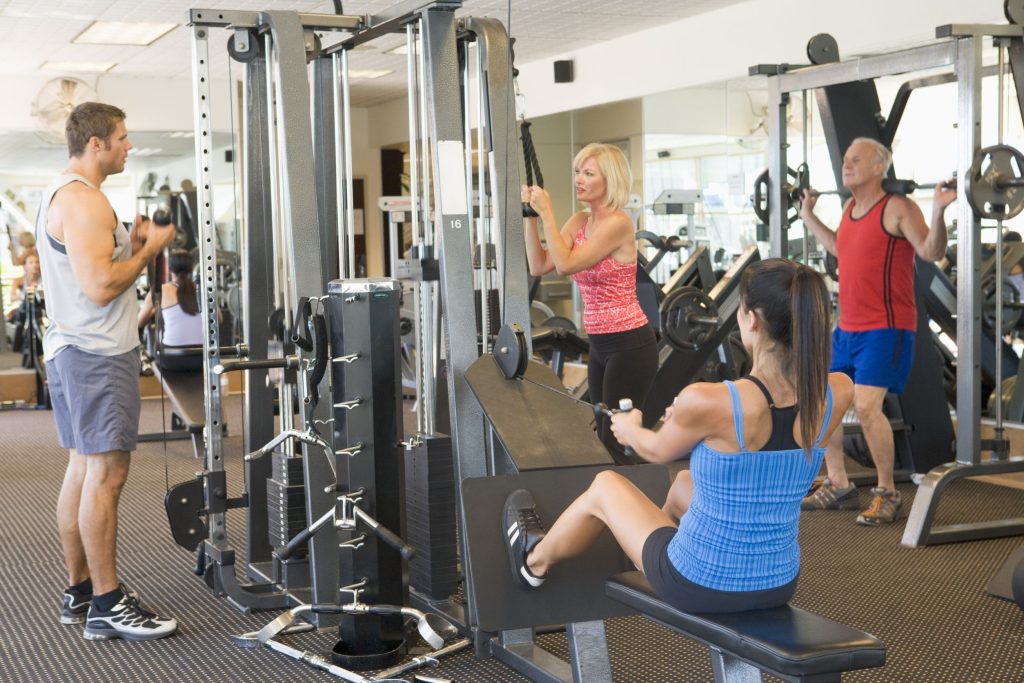
Travel often involves pulling a suitcase, lifting a bag, carrying groceries, using trekking poles, or wearing a backpack. A supported cable or resistance-band row can train the upper back and arms without requiring complex technique. A carry with a manageable dumbbell, kettlebell, or bag can train grip, trunk control, and walking under load.
Keep carries short enough that posture and gait remain steady. If you will travel with luggage, practice handling a load that resembles the task rather than waiting until the airport or train station.
Older adults who are new to a gym can simplify the environment first. The article on first steps when the gym feels intimidating explains how to use a small, repeatable exercise list while learning equipment and routines.
Practice Balance in a Safe Setup
Balance work should challenge stability without creating an unnecessary fall risk. Begin near a counter, rail, or sturdy support. Options can include a narrow stance, semi-tandem stance, tandem stance, single-leg stance with support, or slow controlled marching.
The National Institute on Aging’s exercise resources describe physical activity as important for healthy aging and provide guidance on exercise and safety. For someone with recent falls, dizziness, neuropathy, major vision changes, or significant balance loss, individualized assessment may be more appropriate than trying advanced balance drills alone.
Balance practice can also become more specific over time. Walking on grass, gentle trails, or other uneven but safe surfaces may help prepare for outdoor travel once basic control is established.
Include Downhill and Stair-Descent Practice
People often train for climbing and forget the descent. Walking downhill and descending stairs require repeated braking by the leg muscles. That can create substantial soreness when it is unfamiliar.
You can prepare with controlled step-downs from a low platform, slow sit-to-stands, or gradually increasing downhill walking. Start conservatively and allow recovery between unfamiliar sessions. Trekking poles may be useful for some hikers, but they are a skill to practice rather than equipment that automatically solves balance or joint issues.
Progress Toward the Trip’s Actual Demands
Several weeks before a planned trip, compare your training with the itinerary. Will you walk on consecutive days? Climb museum stairs? Carry a daypack? Hike on rocky terrain? Spend hours sightseeing before dinner?
Build toward those conditions progressively. If you can comfortably walk for 30 minutes but the trip may involve several hours on your feet, add duration over time. If the route includes hills, add elevation. If you will use a pack, introduce it light and build gradually.
Fueling and hydration also affect how activity feels. If long afternoons regularly bring a steep drop in energy, the article on eating for energy when you crash every afternoon can help you review meal size, snack timing, hydration, sleep, and when fatigue deserves medical attention.
Use a Simple Weekly Structure
A general week might include two or more strength sessions, several aerobic sessions or walks, and brief balance practice on multiple days. That is a framework, not an individualized prescription. Recovery, chronic conditions, medications, joint symptoms, prior training, and travel dates can all change what is appropriate.
One strength session could emphasize squats or sit-to-stands, step-ups, rows, calf raises, and carries. Another could use similar patterns with different variations. Aerobic sessions can range from easy walking to hill work depending on experience.
Know When to Get Individual Advice
Consult a healthcare professional when you have new chest discomfort, unexplained shortness of breath, fainting, significant dizziness, uncontrolled medical conditions, a recent major injury, or other symptoms that make exercise safety uncertain. A physical therapist or qualified exercise professional can also help adapt movements around arthritis, joint replacements, neurological conditions, or fall risk.
Train for the Trips You Want to Take
Choose one aerobic activity, four or five basic strength movements, and a safe balance drill you can practice consistently. Then make the training look gradually more like the trip by adding walking time, stairs, hills, uneven terrain, or a light pack as appropriate. The goal is not to prove fitness in the gym; it is to arrive with enough capacity that hiking, sightseeing, and carrying your belongings are part of the experience rather than the main obstacle.