TPO, EPDM, and modified bitumen are common low-slope commercial roofing options, but none is automatically best for every building. The better choice depends on climate, roof traffic, drainage, detailing, fire requirements, installer experience, warranty conditions, and maintenance expectations.
TL;DR: TPO is a thermoplastic single-ply membrane often selected for reflective roof surfaces. EPDM is a synthetic rubber membrane known for flexibility and long field use. Modified bitumen is an asphalt-based membrane system commonly used where layered toughness and familiar detailing are priorities.
Start with roof conditions, not product popularity
NRCA roofing manual resources include details for built-up, polymer-modified bitumen, EPDM, thermoplastic membrane, and other low-slope systems, which reinforces a key point: roof performance depends on the whole assembly and installation details. EPA cool-roof guidance can be relevant when reflectivity and heat transfer are priorities, but energy performance is climate and building specific. A roof consultant or qualified designer should verify structural, code, wind, fire, and drainage requirements before selection.
For related context on the same domain, compare this topic with How to standardize maintenance procedures across multiple properties, which shows how upstream decisions can affect maintenance, closeout, and operating performance.
How the three systems are commonly distinguished
The practical decision is rarely a single product, form, or checklist. Facility and construction teams need to define the asset, the risk, the inspection point, and the evidence required before work is accepted. This keeps the process grounded in field conditions instead of assumptions. It also helps owners understand which requirements are fixed by code, manufacturer instructions, warranty language, or contract documents, and which decisions are preferences that should be weighed against budget, access, schedule, and long-term maintainability.
| Roofing option | Common strengths | Watch points |
|---|---|---|
| TPO | Reflective surface options, heat-welded seams, single-ply installation speed | Welding quality, formulation differences, detailing at penetrations |
| EPDM | Flexibility, long use history, large sheets can reduce seams | Adhesive/seam quality, dark surface heat gain unless ballasted or coated |
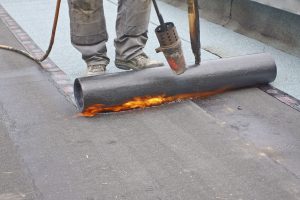
| Modified bitumen | Layered asphalt-based toughness, familiar detailing for many crews | Torch or adhesive method controls, weight, drainage, surfacing maintenance |
Where installation quality matters most
A useful approach is to turn the selected standard, guideline, or manufacturer instruction into a job-specific control. When an external reference such as NRCA membrane manual is used, the project team still needs to translate it into clear responsibilities, inspection timing, and records. That translation is where many programs succeed or fail. A vague instruction creates uneven field decisions, while a specific verification step gives supervisors, technicians, and owners a shared standard.
Good records should answer four simple questions: what was checked, what result was found, who reviewed it, and what action followed. Photos, readings, model numbers, marked-up drawings, and work-order notes can all be useful, but only when they are organized enough for someone else to understand later. This is especially important when staff changes, a warranty claim arises, or a facility team inherits a building after construction.
Maintenance and inspection considerations
Common problems usually come from treating a technical process as a paperwork exercise. Teams may copy a generic template, skip field verification, use unclear language, or accept incomplete documentation because the schedule is tight. Another frequent issue is failing to update the process after a repair, replacement, tenant change, or seasonal operating shift. A checklist that was accurate last year may be misleading after equipment has been replaced or spaces have been reconfigured.
This is also where a second internal perspective helps. The article on How insurance markets are influencing roof and envelope decisions connects the topic to broader building operations, while Preventive maintenance frequency: how often is often enough adds another angle for teams thinking beyond a single asset or project phase.
Questions to ask before choosing a membrane
Before choosing a membrane, ask how the roof drains, how often people walk on it, what equipment sits on it, how penetrations are detailed, and whether future solar, HVAC, or tenant work is likely. Also ask which systems local crews install well. A technically strong product can perform poorly when details are rushed or unfamiliar. Conversely, a familiar system with strong detailing, drainage, and inspection access may support better long-term maintenance. The final selection should come from the full roof assembly, not a product comparison alone.
This review should also include the people who will live with the outcome after the project team leaves. Operators, maintenance technicians, property managers, and tenant representatives often notice access, cleaning, noise, documentation, or response-time problems that are not obvious during design or installation. Their input should not override technical requirements, but it can reveal practical constraints early enough to adjust the plan. That is usually less disruptive than discovering the issue during an emergency repair, warranty walk, or tenant complaint.
Selection mistakes to avoid
A practical framework should be short enough to use and strong enough to audit. Start by defining the purpose of the task in one sentence. Identify the asset or location. State the minimum acceptable condition. List the inspection or maintenance steps in the order they should occur. Name the evidence required. Add a trigger for escalation when the result is outside the expected range. Finally, assign ownership for updating the procedure when field conditions change.
For beginners, the safest rule is to separate facts from preferences. A fact may come from a code requirement, a tested assembly, a manufacturer instruction, a published standard, or a verified reading. A preference may come from crew experience, owner standards, procurement goals, or ease of maintenance. Both can matter, but they should not be presented as the same kind of evidence.
A practical decision filter
Before acting, check whether the work touches safety, code compliance, engineering judgment, warranty terms, or local jurisdictional rules. Guidance from EPA cool roofs can support a more disciplined review, but it should not replace qualified professional advice. Construction and maintenance content is for informational and educational purposes only and does not constitute professional engineering, legal, compliance, or project management advice.
- Confirm the asset, location, and operating condition.
- Check applicable code, manufacturer, warranty, and owner requirements.
- Document the baseline before making changes.
- Assign responsibility for inspection, correction, and sign-off.
- Review results after the next operating cycle or closeout milestone.
Choose the roof system that fits the building and the crew that can install it correctly. Material labels matter, but details, drainage, and maintenance matter more.