Wireless surround, cloud libraries, and TV operating systems are changing how people buy, access, and experience home entertainment. The biggest 2026 trend is the shift from single devices to ecosystems that control sound, content discovery, ownership expectations, and upgrades.
Market Signal: The 2026 home entertainment market is being shaped by easier immersive audio, larger digital libraries, and tougher competition over the TV home screen. The practical question is not which feature sounds newest, but which systems will remain usable, supported, and compatible.
Wireless Surround Is Becoming More Practical but Not Magical
Wireless surround has improved because consumers want immersive sound without cutting walls, running long speaker cables, or learning complex receiver setups. Systems that use wireless speakers, soundbars, rear channels, and subwoofers can make surround more approachable for apartments and living rooms.
Still, wireless does not mean effortless. The WiSA home theater information page describes wireless home theater technology in terms of multi-channel audio, latency, and interoperability. Those details matter because audio sync, connection stability, room layout, and power outlets still shape the listening experience.
Buyers should look beyond the word wireless. Some speakers still need power cables. Some systems work best only within one brand family. Some rely on eARC, Wi-Fi quality, app support, or firmware updates. The most durable setup is the one that works with the room and the viewer's habits.
Cloud Libraries Raise Access and Ownership Questions
Cloud media libraries make entertainment feel portable. People expect purchased movies, shows, music, audiobooks, games, and personal media to appear across devices. That convenience is real. It also creates confusion about ownership, licensing, account access, and what happens when a platform changes terms.
Streaming standards and interoperability efforts, including the DASH Industry Forum's work around MPEG-DASH adoption, help explain the technical side of delivering media across networks. For consumers, the more immediate issue is simpler: can they still access what they bought, and on which devices?
Cloud libraries are strongest when they come with clear download options, account security, family controls, and transparent licensing terms. They are weakest when a viewer assumes digital purchase means the same thing as owning a disc. The safer habit is to read platform terms and keep important personal media backed up.
Table: Trend, Benefit, and Caution
| Trend | Why it matters | Buyer caution |
|---|---|---|
| Wireless surround | Makes immersive audio easier to install in normal rooms. | Wireless speakers may still need power, apps, and brand-specific support. |
| Cloud libraries | Gives cross-device access to purchased or saved media. | Digital access can depend on accounts, licenses, and platform terms. |
| TV OS competition | Controls search, recommendations, app placement, and ads. | A cluttered or unsupported interface can hurt daily use. |
| Ecosystem buying | Devices work best when audio, apps, and controls align. | Closed ecosystems can limit future flexibility. |
TV OS Competition Shapes What Viewers Discover
Television operating systems now influence what people watch before they open an app. Home-screen placement, search results, voice assistants, free ad-supported channels, recommendations, and default inputs all shape discovery. In many homes, the TV OS is no longer background software. It is the storefront.
Ofcom's report on the connected TV platform market explains how content providers depend on connected TV platforms to reach viewers and secure placement. That is why TV OS competition matters. It affects broadcasters, streamers, independent apps, advertisers, and households that just want a simple way to find shows.
Competition can help viewers by improving search and app support. It can also create clutter if the home screen becomes too promotional. A fast, stable, privacy-respecting interface may be more valuable than a flashy feature that makes everyday viewing slower.
Durable Shifts Versus Upgrade Hype
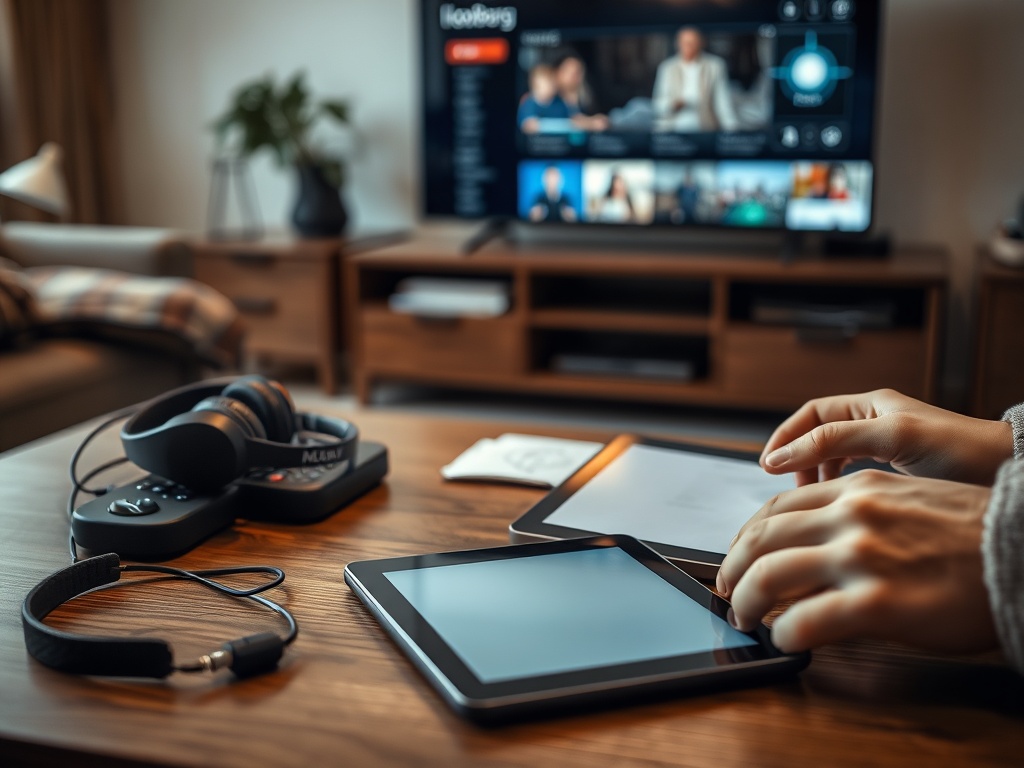
The durable shifts are interoperability, simpler setup, better discovery, and clearer access across rooms and devices. The hype is the idea that every household needs to replace working equipment every year. Many people will get more value from better speaker placement, a stronger network, or simpler remote control than from chasing the newest label.
Home entertainment choices also connect to broader cultural design. What makes a memorable character design animation-friendly shows how usable design beats surface complexity in animation. The same thinking applies to media rooms: the best system is not always the most feature-heavy. It is the one people can use without friction.
Compatibility deserves special attention. Check whether a TV supports needed HDMI features, whether a sound system supports the formats used by favorite apps, whether the OS receives updates, and whether the household can manage the interface.
How to Read the 2026 Home Entertainment Market
Advanced buyers should think in ecosystems, not isolated boxes. Ask which company controls the screen, which app controls the library, which protocol controls the audio, and which account controls access. A purchase that looks cheaper upfront may become frustrating if it locks the household into weak software or unsupported accessories.
There is a parallel with celebrity documentaries and museum programming. What makes a celebrity documentary feel revealing instead of strategic warns against accepting surface access as insight, while how school, family, and adult programming shape museum relevance shows why different users need different pathways. A home system should pass the same test: can different people in the household actually use it?
For households, a good buying rule is to plan around the least technical person who will use the system. If the setup requires a long explanation every time someone wants to watch a movie, the ecosystem is not working. Voice controls, app shortcuts, universal remotes, and automatic audio switching are helpful only when they reduce confusion. The strongest 2026 home entertainment systems will feel less like tech demos and more like rooms where people can relax, listen clearly, and find what they came to watch.
Buyers should also separate content quality from interface quality. A viewer may love a streaming service but dislike the TV OS that promotes it. A sound system may play immersive formats well but be annoying to update. A cloud library may be convenient but fragile if an account is lost. Each layer deserves its own judgment because the weakest layer often shapes daily frustration.
Privacy should be part of the 2026 checklist as well. TV platforms increasingly personalize home screens, so households should review ad settings, voice controls, account profiles, and data-sharing options.
Support history matters too. A slightly older device with reliable updates may be a better buy than a new system from a company with unclear software commitments.
For 2026 purchases, prioritize compatibility, support history, clear privacy controls, and return policies over one impressive demo. The most future-ready home entertainment setup is the one that remains understandable when the novelty fades.