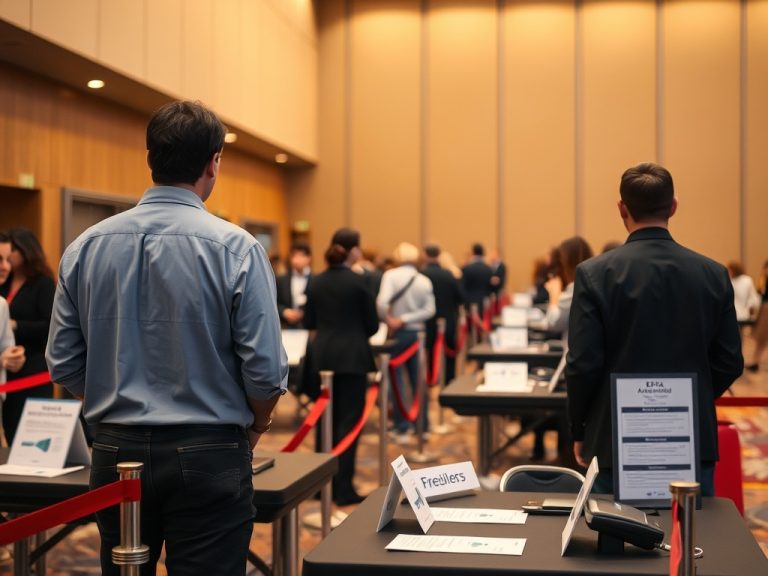
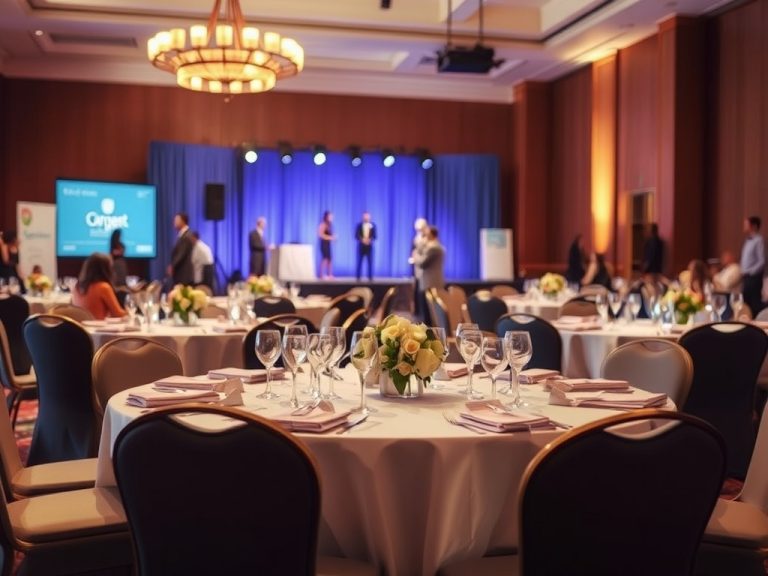
A conference agenda is the event’s decision map. It tells attendees what they can learn, sponsors where value appears, and operators how time, rooms, speakers, and audience movement should work together.
Key Takeaways
- Beginner teams should design the agenda around attendee decisions, not only speaker availability.
- Session formats, transitions, breaks, and track labels all affect comprehension and movement.
- A useful agenda starts as a framework, then becomes a production document once owners and logistics are confirmed.
What an agenda really controls
A conference agenda is more than a schedule. It shapes the attendee’s sense of value before they register and guides their experience once they arrive. For beginner teams, the main mistake is treating the agenda as a list of available speakers. A stronger approach begins with the audience question: what decision should a person feel more prepared to make after attending?
That question changes how sessions are grouped. A founder conference may need practical workshops, investor conversations, and networking blocks. A medical, legal, or professional conference may need accreditation, compliance, and documented learning outcomes. A community conference may need more open discussion and fewer lecture-style blocks. The event brief article is useful before agenda work because it keeps agenda decisions tied to purpose instead of personal preference.
Core terms new planners should understand
A keynote is usually a high-visibility session designed to frame a theme, signal importance, or draw attendance. A breakout is a smaller concurrent session that lets attendees choose a focused topic. A plenary brings the audience together, while a track groups related sessions for a specific persona or interest area. A workshop usually needs more time, materials, and facilitation than a panel.
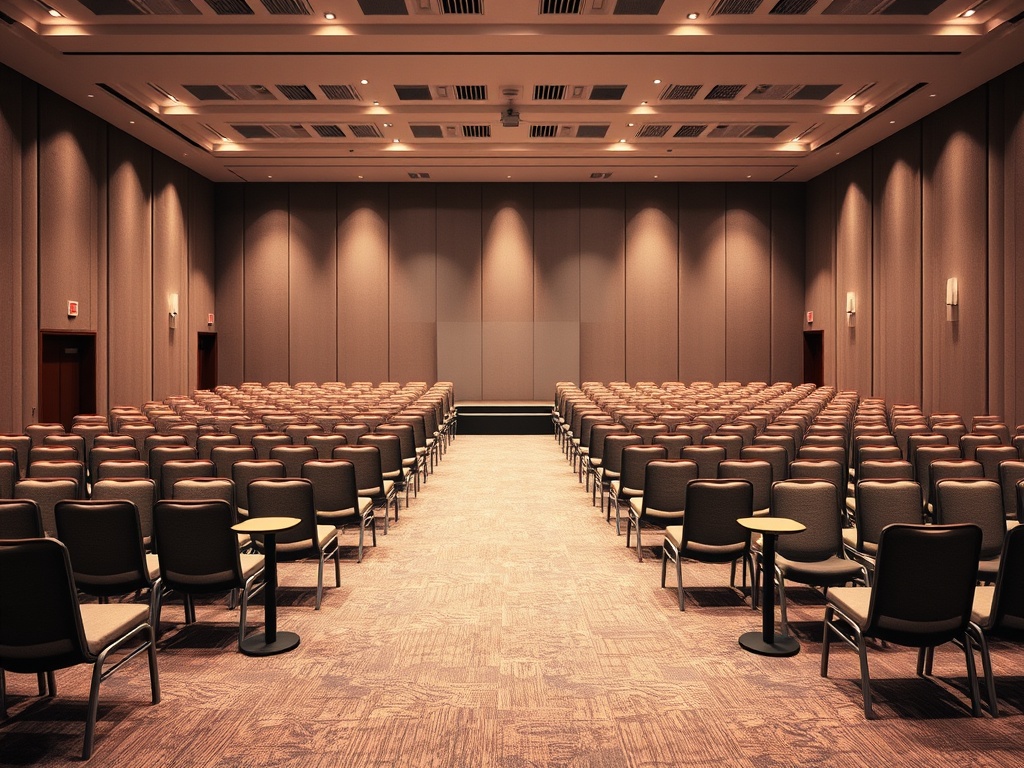
Session design also includes room flow, transition time, speaker preparation, accessibility, and recovery space between dense blocks. None of these details are cosmetic. They influence whether attendees can find rooms, understand choices, and stay engaged without feeling rushed.
A beginner framework for better session decisions
Start by creating three agenda layers. The first layer is the attendee journey: arrival, orientation, core learning, participation, networking, and close. The second layer is the content architecture: themes, tracks, session formats, speakers, and learning promise. The third layer is operational feasibility: room capacity, catering breaks, signage needs, staffing, technology, and contingency time.
This layered approach prevents teams from approving an attractive agenda that cannot be delivered. It also helps marketing write clearer session descriptions because each block has a reason. If the event will be promoted through search, the event SEO FAQ can help teams understand how event pages, structured data, and helpful session content work together. Google event structured data guidance is also useful when publishing event details that search engines may use to understand dates, locations, and offers.
Agenda design choices compared
| Choice | Best use | Beginner risk to watch |
|---|---|---|
| Single-track agenda | Small events with one shared audience | Too little choice for mixed-experience attendees |
| Multi-track agenda | Larger conferences with distinct personas | Confusing labels or overlapping must-see sessions |
| Workshop-heavy format | Skills-based learning or certification support | Underestimating facilitation and room setup |
| Panel-heavy format | Perspective sharing and industry discussion | Too many similar conversations without clear outcomes |
Common beginner mistakes
The first mistake is packing the day too tightly. Five-minute transitions can look efficient on paper, but they rarely cover hallway movement, restroom needs, speaker changeovers, or accessibility considerations. The second mistake is giving every session the same length. A keynote, panel, technical workshop, and roundtable do not require identical time blocks.
The third mistake is hiding the audience value behind clever titles. Titles may be creative, but session descriptions should clearly explain what the attendee will learn or compare. The fourth mistake is delaying logistics review until the agenda is final. Agenda and logistics should mature together. The guest logistics guide can help connect session decisions to signage, food service, staffing, and guest movement.
Agenda Build Takeaway
A strong agenda helps people choose, move, learn, and remember. Build it first as a decision framework, then refine it as a delivery plan with owners, room checks, speaker deadlines, and clear session descriptions.
Educational note: event schedules, speaker participation, access requirements, and venue logistics can change. This content is for general information only and is not legal, financial, travel, immigration, safety, or contractual advice. Confirm details with official organizers and venues before making plans.
From Draft Agenda to Working Schedule
Once the framework feels right, convert it into a working schedule that includes operational notes. Add room names, expected audience size, setup style, speaker arrival time, audio and visual needs, accessibility considerations, and a staff owner for each block. This version does not need to be public, but it should be detailed enough for operations to test the plan.
Beginner teams often publish agenda details before confirming the dependencies behind them. A session title may look harmless, but it can create speaker, room, interpretation, captioning, recording, sponsor, and meal-timing requirements. Review those dependencies before final public release, especially when attendees may make travel or registration decisions based on the schedule.
A useful agenda also leaves room for human behavior. People need time to move, ask questions, rest, eat, and orient themselves. The best schedules are not always the densest schedules. They are the ones that help attendees make choices without feeling lost or rushed, while giving the operations team enough space to recover from small delays.
For team alignment, keep one agenda owner responsible for naming conventions and time blocks. Multiple contributors can suggest sessions, but one editor should protect clarity across titles, descriptions, tracks, and transitions. This avoids a public agenda that feels like several departments wrote separate pieces. It also helps attendees compare sessions quickly. Before publication, read the agenda aloud from the attendee point of view and remove anything that sounds clever but unclear. Strong agendas are easy to scan, honest about value, and realistic about time.
Before signoff, compare the agenda against the event’s promise. If the promise is practical decision support, the agenda should include time for questions, examples, or peer discussion. If the promise is inspiration, the program may need stronger storytelling and fewer dense technical blocks. If the promise is networking, the schedule must protect unscripted time instead of treating it as leftover space. This final comparison keeps the agenda from drifting away from what was sold to attendees.
Build the agenda around attendee decisions first, then test it against rooms, staffing, signage, technology, and promotion before publishing.
Use this article as a planning reference, then confirm event-specific details with official organizers, platforms, venues, and qualified professionals before taking action.