Strong event risk assessment pairs structured planning with practical review loops. It identifies credible risks, assigns owners, documents controls, and tests emergency assumptions before the event happens.
Key Takeaways
- Risk assessment is not only a safety document; it connects operations, vendors, venue limits, communications, and emergency planning.
- Advanced teams define risk ownership, escalation paths, and review cadence before final approvals.
- Metrics such as incident logs, near misses, response times, and post-event findings help improve the next plan.
Raise the standard from checklist to system
A basic risk checklist is useful, but advanced event teams treat risk assessment as an operating system. The process should cover attendee safety, crowd movement, weather, medical response, food service, accessibility, transportation, data handling, supplier reliability, technology failure, and reputation exposure where relevant. The goal is not to imagine every possible problem. It is to identify credible scenarios and assign practical controls.
The Event Industry Council Risk Management Guidebook explains that event risk management includes assessing risks that may threaten attendees, the event, the organizer, or partner suppliers, then applying measures to manage probability and consequences. That framing is helpful because it moves risk beyond one department and into shared accountability.
Build a cross-functional planning group
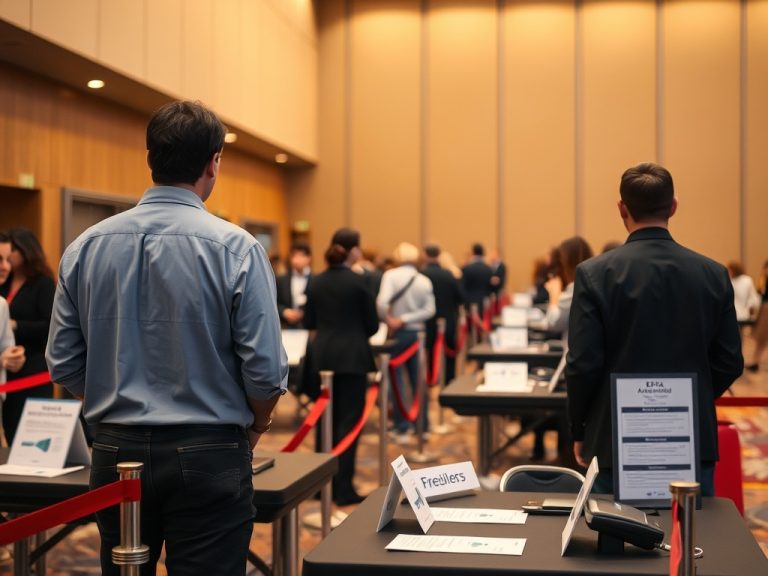
Risk assessment should include people who understand the venue, audience, program, vendors, communications, security, accessibility, and local requirements. FEMA’s special events contingency planning manual recommends planning through a cross-section of organizations involved in emergency response, which supports the idea that major event readiness cannot sit with one planner alone.
For complex events, include venue representatives, production, registration, food and beverage, security, medical support where applicable, transportation, communications, and leadership. The exact group depends on event size and risk profile. Avoid overstating authority. Some decisions may require venue management, public agencies, insurers, legal advisers, or specialist consultants.
Controls that improve consistency
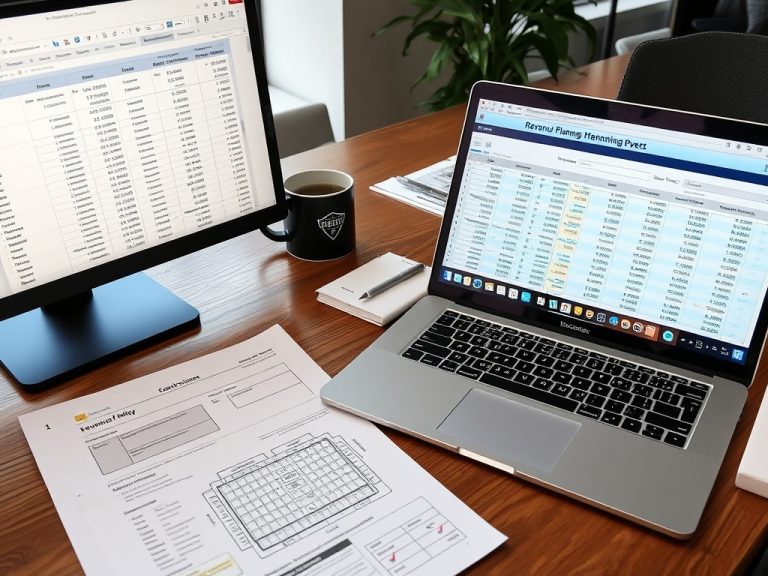
Use a risk register with fields for scenario, cause, likelihood, impact, control, owner, status, trigger, escalation route, and review date. This turns risk from a discussion into an accountable workflow. High-impact risks should not be left as vague notes. They need owners, evidence, and a clear point at which action changes.
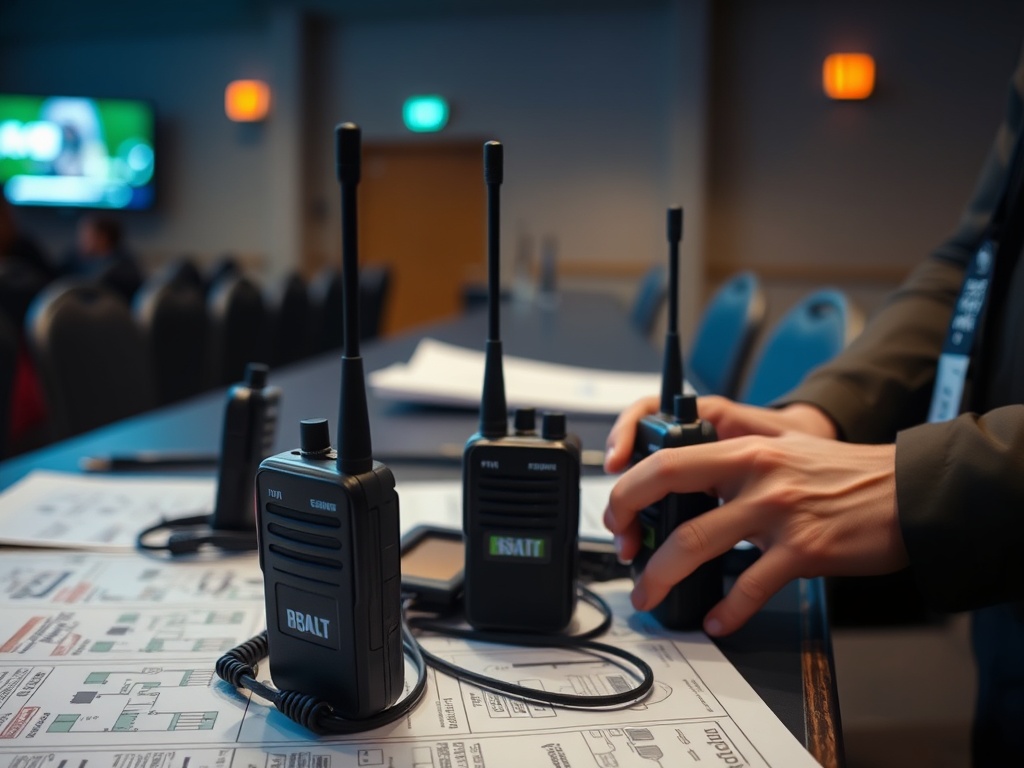
Create response playbooks for the most important scenarios. A weather delay, medical issue, overcrowded area, speaker cancellation, technology failure, or access-control problem may need a different communication path. If the event includes virtual or hybrid components, the virtual event platform comparison can help teams assess technology failure and audience-support risks in the platform decision.
Risk planning review table
| Practice | What it improves | Evidence to collect |
|---|---|---|
| Named risk owners | Accountability before and during the event | Risk register with owners and review dates |
| Scenario walkthroughs | Decision speed under pressure | Notes from tabletop exercises or venue walks |
| Vendor contingency checks | Supplier reliability and backup options | Contracts, contact sheets, backup plans |
| Post-event incident review | Learning for future plans | Incident logs, near misses, debrief actions |
Metrics and review loops
Strong operators review risk before, during, and after the event. Before the event, track unresolved high-risk items and overdue controls. During the event, track incidents, near misses, response times, and escalation quality where appropriate. After the event, review what happened, what almost happened, what confused staff, and what should change next time.
Risk work should also connect to sustainability and social impact where relevant. The Event Industry Council Sustainable Event Standards provide criteria for environmental and social responsibility across events and suppliers. While sustainability standards are not a substitute for safety planning, they remind teams that modern event responsibility can include waste, sourcing, accessibility, inclusion, and community impacts.
Readiness Review Lens
A high-standard risk process gives teams a shared language for uncertainty. Define credible risks, assign owners, document controls, rehearse likely scenarios, and use debrief data to improve the next event.
Educational note: safety, emergency, accessibility, permit, insurance, health, and venue requirements vary by jurisdiction and event type. This article is informational only and does not constitute legal, safety, financial, travel, immigration, or contractual advice. Always verify requirements with official organizers, venues, authorities, insurers, and qualified professionals.
Documentation Discipline for Advanced Teams
Risk planning becomes stronger when documents are short enough to use and detailed enough to trust. A 60-page plan that no staff member reads can be less useful than a concise risk register, contact sheet, role card, escalation map, and scenario playbook that people can understand quickly.
Document ownership clearly. Each control should have a person responsible for confirming it before the event and a role responsible for acting during the event. Those may not be the same person. For example, an operations lead may confirm the medical support plan, while an onsite duty manager follows the escalation procedure if an incident occurs.
After the event, do not only record what went wrong. Record what worked, what nearly failed, and what was prevented by good planning. This helps teams defend useful safeguards in future budgets and avoid cutting controls simply because no incident occurred.
Advanced teams should also distinguish between public communication and internal response instructions. Attendees need clear, calm information that tells them what to do. Staff need more detailed instructions about who decides, who communicates, and how to document the issue. Mixing those two audiences can create either vague staff guidance or overly complicated attendee messaging. Prepare both layers early, then review them during tabletop exercises so the team can act with consistency if conditions change.
A strong risk process also considers accessibility as part of readiness, not as an afterthought. Arrival paths, communication methods, seating, restrooms, dietary needs, sensory considerations, captions, and emergency instructions can all affect participation. Requirements vary, so teams should consult appropriate guidance and professionals, but the planning habit is consistent: ask early, document responsibly, assign owners, and test the experience before guests arrive.
Training is the bridge between the plan and the event floor. Staff and vendors should know not only what the plan says, but what to do first when reality does not match the plan. Short role briefings, quick-reference cards, and supervisor check-ins can make a formal risk plan usable during a busy live environment.
This is especially important for recurring events, where familiar routines can create blind spots. Treat each edition as a fresh risk profile, then compare it with prior lessons. Review assumptions before signoff.
Move risk from a static checklist into a live owner-based register with walkthroughs, escalation paths, and post-event learning.
Use this article as a planning reference, then confirm event-specific details with official organizers, platforms, venues, and qualified professionals before taking action.