Live event accessibility is not only about legal compliance or special seating. Done well, it changes the whole attendee experience by making planning clearer, movement safer, communication easier, and participation more equal.
At the Gate: Accessibility services change a live event by reducing friction before, during, and after the show. They affect ticketing, arrival, seating, communication, safety, sensory comfort, and whether attendees can participate without turning access into a personal negotiation.
Access Begins Before the Ticket Scan
Many access problems start before anyone reaches the venue. If accessible ticketing information is hidden, if seating maps are unclear, or if a person has to call repeatedly to request basic details, the event already feels less welcoming. Strong accessibility planning starts with plain information: entry points, parking, transit, seating, captioning, interpreters, sensory support, service animal policies, restrooms, and who to contact with questions.
The U.S. Department of Justice explains ADA expectations for ticket sales at assigned-seat events, including equal opportunity to purchase accessible seating. For attendees, that guidance matters because access is not a favor. It is part of the event's public design.
Clear pre-event communication also helps staff. When expectations are written and shared, fewer decisions have to be improvised at the door. The result is calmer for attendees, box office teams, ushers, security, and producers.
Services That Change the Event Day
Accessibility services can include wheelchair-accessible routes, companion seating, assistive listening devices, captioning, sign language interpretation, audio description, quiet rooms, sensory kits, accessible merchandise lines, accessible shuttles, priority entry processes, and staff trained to respond respectfully. The right mix depends on the event type, venue, audience, and local requirements.
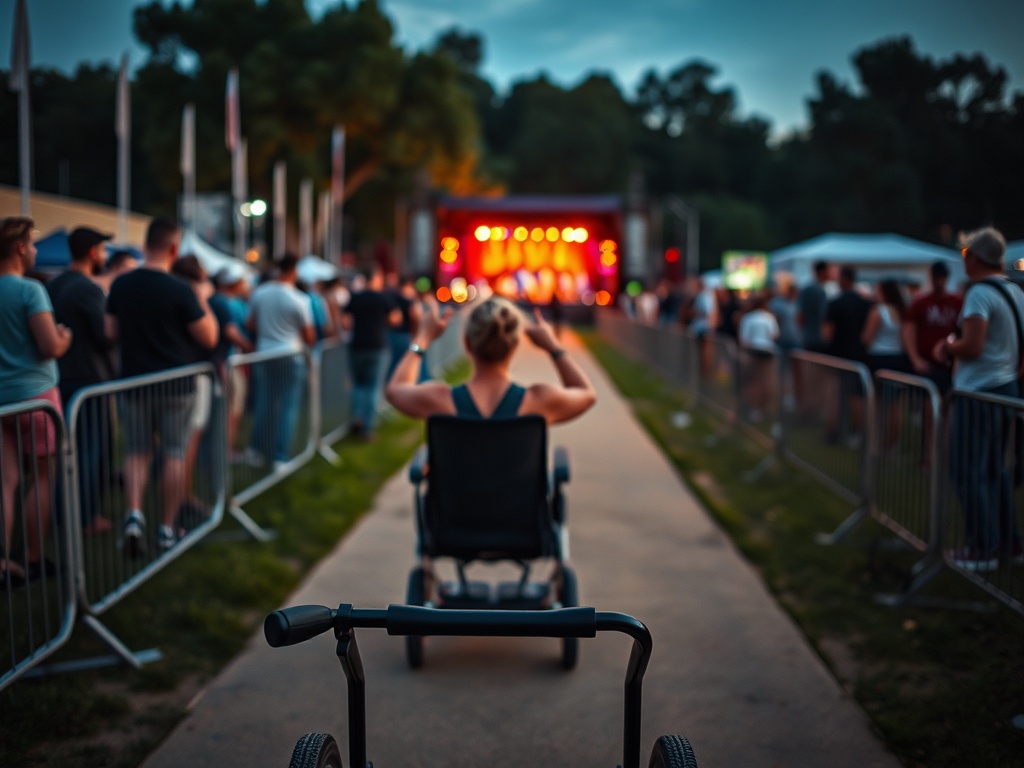
The ADA National Network's planning guide for accessible temporary events is useful because festivals, pop-ups, outdoor performances, and temporary venues create different challenges than permanent theaters. Terrain, weather, crowd flow, portable restrooms, temporary stages, and emergency routes all affect the attendee experience.
Accessibility also changes the social meaning of attendance. A person can arrive with less fear of being separated from friends, missing information, or having to explain their needs repeatedly. That shift is similar to the documentary question of who gets meaningful access to a story; what makes a celebrity documentary feel revealing instead of strategic explores access from a different cultural angle.
Table: Access Service and Experience Impact
| Service | How it changes the experience | Planning note |
|---|---|---|
| Accessible ticketing and seating | Lets attendees choose and attend with companions without extra struggle. | Publish maps and policies before sales open. |
| Captioning, interpreters, or assistive listening | Makes spoken and musical information easier to receive. | Confirm timing, sightlines, and equipment pickup. |
| Accessible routes and restrooms | Reduces fatigue, risk, and missed programming. | Test routes under crowd conditions, not empty rooms. |
| Sensory support or quiet areas | Creates a recovery option during intense events. | Keep the space staffed, marked, and genuinely quiet. |
Staff Training, Timing, and Clear Communication
Services fail when staff do not know they exist or do not know how to help attendees use them. A captioning screen is less useful if no one can direct attendees to the right viewing area. Accessible entry does not help if security sends people to the wrong line. A quiet space is not useful if it becomes storage or is placed beside the loudest corridor.
Training should cover respectful language, escalation paths, emergency procedures, assistive device pickup, seating policies, and how to handle unexpected barriers. Staff do not need to know every medical detail. They need to know the event's own plan and respond without suspicion or embarrassment.
Timing also matters. If an interpreter is available only for one section of a festival, the schedule must make that clear. If captioning starts after the opening remarks, the opening remarks were not accessible. If accessible parking fills before doors open, the arrival plan needs more than good intent.
What Attendees Should Check Before Buying
Attendees can protect themselves by checking access details before buying tickets, especially for large festivals, standing-room shows, historic venues, outdoor events, or limited-capacity experiences. Look for a dedicated accessibility page, current contact information, seating maps, transportation notes, refund policies, and whether specific services require advance notice.
If the event's information is vague, ask precise questions. Is accessible seating sold through the same system? Can companions sit together? Are captioning or interpreters confirmed for the whole program? Where is the accessible entrance? Does the venue allow re-entry for medical needs? How are mobility devices handled near standing areas? These questions mirror production planning in animation: what makes a memorable character design animation-friendly shows how early design choices shape later experience.
DIY planning works when the venue gives clear answers and the event is low risk. It is wiser to contact the organizer directly when access needs are specific, when travel is involved, or when the event uses temporary infrastructure.
More Welcoming Events Start in Planning
Accessibility is often discussed as a cost, but it also improves flow and trust. Clear signage helps everyone. Better sound and captioning help attendees who are hard of hearing, tired, distracted, or far from speakers. Rest areas help disabled attendees, older adults, families, and staff. Well-trained teams reduce conflict.
Institutions that serve the public learn this across fields. How school, family, and adult programming shape museum relevance shows how cultural spaces become more useful when they design for different needs instead of assuming one standard visitor. Live events benefit from the same mindset.
For organizers, the most useful measure is not whether a service exists on a checklist, but whether an attendee can use it without stress. Test the path from website to ticket purchase to arrival to exit. Ask what happens if someone arrives late, if weather changes, if a device fails, or if a staff member is new. Accessibility becomes reliable when it survives ordinary event messiness, not only the ideal plan written before doors open.
Attendees also benefit when organizers publish access updates after doors open. A short note about elevator outages, weather-related route changes, captioning locations, or quiet-room hours can prevent confusion. For multi-day events, feedback from day one should shape day two. Access is not a single announcement; it is a live operating practice that should adjust when conditions change.
Good access planning also gives non-disabled attendees clearer choices. Parents, older guests, anxious first-time visitors, and people recovering from injury often benefit from the same clarity.
Before buying or producing an event, treat accessibility as part of the core experience. The best access services are not dramatic. They are smooth, visible, and reliable enough that attendees can focus on the performance, not the barriers around it.