Guest-experience design performance is best measured by linking physical and digital design choices to observable guest behavior, friction, accessibility, maintenance, and satisfaction. A hotel should evaluate how easily people can use the property, not just whether a renovated space looks appealing in photographs.
Design Measurement | Use a mix of wayfinding friction, room-usability issues, maintenance calls, accessibility findings, space utilization, queue time, environmental comfort, and design-related survey themes. Compare results before and after a design change and control for season, occupancy, and guest mix.
Define What the Design Is Supposed to Accomplish
A lobby redesign may aim to reduce check-in congestion, improve orientation, create more usable seating, or support food-and-beverage revenue. A guestroom redesign may aim to improve sleep, storage, lighting, charging access, bathroom usability, acoustic comfort, or accessibility. Without a defined purpose, teams can collect many attractive metrics without knowing what success means.
Start with an outcome statement for each major design decision. Then choose measures that reflect that outcome. This approach is more reliable than using an overall satisfaction score to judge every architectural choice.
For a broader view of how satisfaction measures behave, the article on tropical resort guest satisfaction metrics provides a useful contrast between experience outcomes and the operational or design factors that may influence them.
Measure Friction at High-Impact Touchpoints
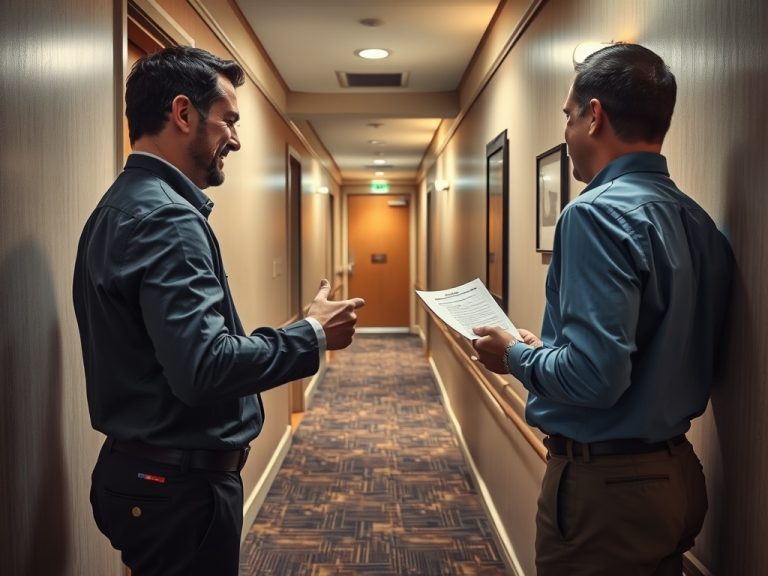
Arrival is one of the easiest places to see design friction. Track how often guests need staff assistance to find reception, elevators, meeting rooms, restrooms, breakfast, parking, or other key spaces. Repeated wayfinding questions can indicate that signage, sightlines, circulation, or layout is not working as intended.
Inside guestrooms, useful measures include design-related maintenance calls, requests for extra lighting or adapters, reported difficulty using controls, storage complaints, bathroom usability issues, and the share of guest comments that mention noise or room layout. These are not all architectural failures. They are diagnostic signals that can be reviewed with engineering, operations, housekeeping, and design teams.
Cornell hospitality research on customer satisfaction illustrates the value of breaking the stay into specific components rather than treating satisfaction as one undifferentiated outcome. A design performance program can use the same principle by mapping feedback to physical touchpoints.
Evaluate Accessibility as Performance, Not Decoration
Accessible design should be reviewed against applicable legal requirements and practical usability. In the United States, the Department of Justice’s ADA Title III lodging requirements address places of lodging and reservation practices, while the U.S. Access Board publishes technical accessibility standards for transient lodging. Compliance review should be handled by qualified professionals where required; a hotel KPI dashboard cannot certify legal compliance.
Operational metrics can still show whether the design is working for guests. Examples include the percentage of accessible-room features verified during inspection, reservation records with accurate accessibility information, response time for accessibility-related requests, and recurring guest reports about door clearance, bathroom access, visual alarms, or route barriers.
A strong design review also recognizes that accessibility helps reveal general usability problems. Clear circulation, intuitive controls, readable information hierarchy, and reduced physical friction can support many guests, not only people who identify a disability.

Track How Spaces Are Actually Used
Space utilization adds a behavioral layer to design evaluation. For lounges, coworking areas, pools, terraces, fitness rooms, and public seating, teams can measure occupancy by time of day, average dwell time, peak crowding, unused zones, and the ratio of seats or activity spaces used to those available.
The goal is not to maximize occupancy in every square foot. A quiet library lounge may be successful at lower density. A breakfast room that becomes congested at peak times may need a different layout even if its daily average utilization looks reasonable. Interpret space-use data according to the intended experience.
Technology can assist with measurement, but new systems should still be judged through a hotel technology ROI framework. Sensors, mobile check-in, digital keys, or occupancy analytics can create useful data only when the cost, privacy implications, staff workload, and decision value are clear.
Use Before-and-After Testing for Renovations
The cleanest way to evaluate a design change is to establish a baseline before work begins. Record the relevant complaints, queue times, utilization patterns, satisfaction themes, maintenance calls, and accessibility findings. After reopening, collect the same measures for a comparable period.
Do not compare a low-season baseline with a peak-season post-renovation month and call the difference a design effect. Occupancy, guest mix, events, staffing, and pricing can influence the same outcomes. If possible, compare similar day types or room cohorts. For phased renovations, an unchanged floor or space can sometimes provide a useful reference point.
In addition to quantitative metrics, structured observation can be valuable. A trained reviewer can record where guests hesitate, backtrack, search for outlets, move furniture, or ask for help. These observations are qualitative evidence and should be labeled as such rather than presented as measured satisfaction.
Connect Design Metrics to Hotel Operations
Design performance improves when departments share evidence. A recurring shower leak may appear in engineering tickets, housekeeping inspection notes, guest complaints, and room-out-of-order data. A poorly placed breakfast buffet may show up in queue time, spills, service bottlenecks, and guest feedback. Looking at only one data source can make the issue appear smaller than it is.
This is where the hotel’s operations KPI dashboard can provide supporting evidence without replacing design-specific measures. The design team needs to know not only that a metric changed, but which physical condition or guest behavior changed with it.
Pair Quantitative Data With Structured Observation
A design dashboard becomes more useful when numbers are paired with repeatable observation. During selected periods, record where guests hesitate, where queues spill into circulation paths, which seats are rarely used, and which room features generate repeated questions. Use a simple observation form so different reviewers classify the same behaviors in a consistent way.
Do not convert a small set of observations into a percentage unless the sampling method supports it. Treat observation as qualitative or count-based evidence, then compare it with surveys, maintenance records, and service requests. When multiple sources point to the same friction point, the case for a design intervention becomes stronger.
Create a Design Scorecard That Leads to Action
A practical design scorecard can group measures under five headings: arrival and wayfinding, room usability, public-space utilization, accessibility, and design-linked maintenance or complaints. Assign a data owner to each measure and review trends monthly during normal operations, with deeper reviews before capital planning.
Use thresholds as investigation triggers rather than automatic judgments. If wayfinding questions rise, observe the guest route before ordering new signs. If public-space utilization falls, check whether the purpose of the space changed. If satisfaction rises after a renovation, confirm that the improvement appears in the specific areas the project was intended to affect.
For the next design review, choose one guest journey, define three friction points that can be observed or counted, and establish a baseline before making further physical or digital changes.