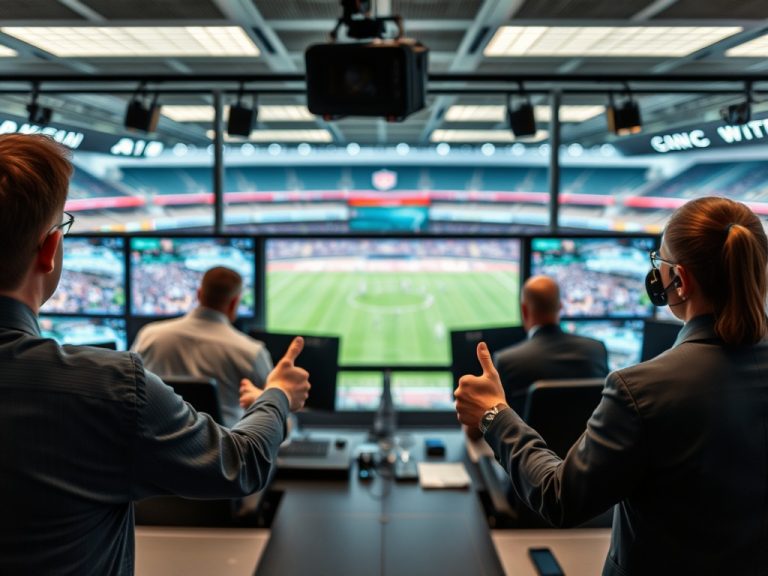
Video review helps athletes improve technique by slowing the movement down, separating what they felt from what actually happened, and turning one or two observations into the next practice focus. The best review is short, specific, and tied to a measurable cue.
Quick Takeaways
- Review only a few clips at a time so feedback stays usable.
- Compare setup, movement, contact, and recovery instead of judging only the result.
- Turn each review into one practice cue, one drill, and one follow-up clip.
Start With One Question, Not a Full Breakdown
Athletes often open a video and try to fix everything. That usually creates overload. A better first step is to choose one question: Why am I late to contact? Why does my shot drift left? Why do I lose balance after changing direction? A narrow question helps the athlete see patterns instead of collecting random flaws.
Video is useful because it gives external evidence. What the athlete felt may be incomplete, especially at speed. A runner may think the stride is smooth while the clip shows overstriding. A basketball player may feel square to the rim while the feet are turned. Coaches and athletes use video because it makes feedback visible, a benefit also discussed by performance-analysis platforms such as Hudl.
The Four-Part Technique Review
Break each clip into setup, movement, contact or decision point, and recovery. Setup includes stance, grip, spacing, eyes, and body angle. Movement is the path into the skill. Contact or decision point is the instant that determines the shot, pass, throw, swing, or cut. Recovery shows whether the athlete can repeat the skill or respond to the next play.
This structure works across sports. A volleyball serve can be reviewed through toss, approach, strike, and landing. A soccer pass can be reviewed through scanning, plant foot, contact, and next movement. A tennis forehand can be reviewed through preparation, swing path, contact point, and recovery step. The framework keeps video review from becoming vague commentary.
A Simple Clip-Review Workflow
| Step | What to do | Why it helps |
|---|---|---|
| Choose one question | Pick one skill problem before watching clips | Prevents vague review and feedback overload |
| Select 3–5 clips | Use ordinary reps, not only highlights | Shows patterns rather than isolated moments |
| Review in four parts | Setup, movement, contact/decision, recovery | Makes technique easier to diagnose |
| Write one cue | Create a short practice phrase | Turns video into action |
| Re-film soon | Capture the same skill next session | Confirms whether the correction changed behavior |
What to Measure Without Getting Lost in Data
Technique review should also account for the athlete’s physical state. If an athlete is adding size or changing training load, gaining weight for sport without feeling sluggish can explain why movement may look different on video, and NCAA nutrition, hydration, and sleep resources give coaches a health-focused reference point before they blame every technical change on mechanics alone.
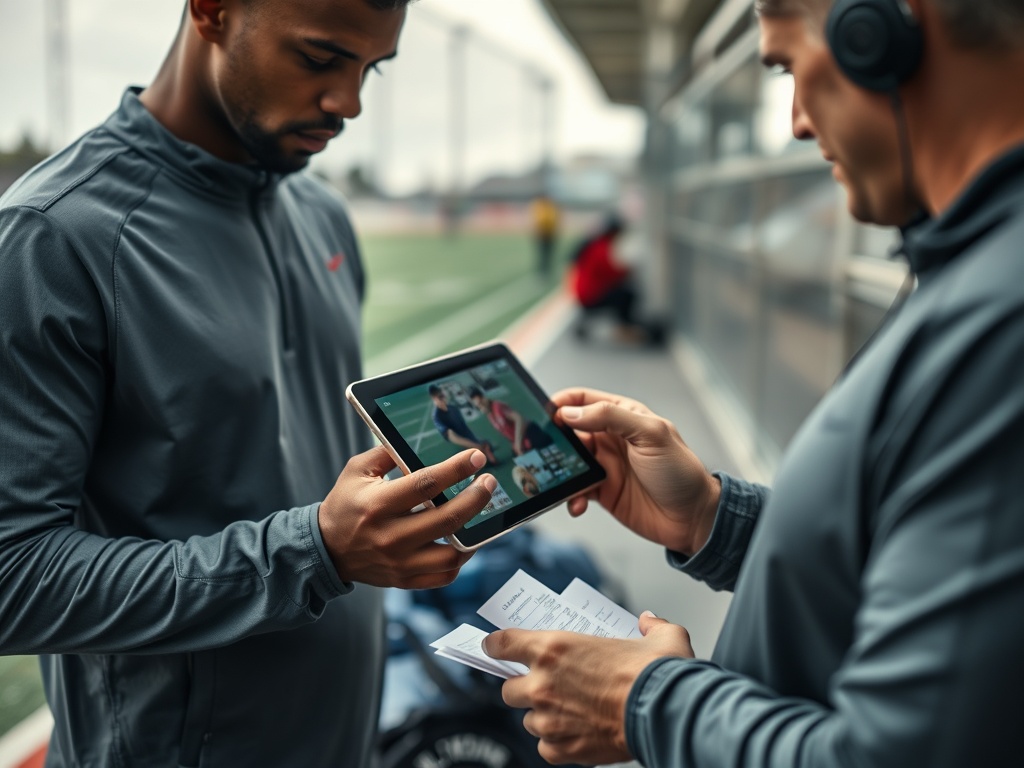
Not every athlete needs advanced software. Many need repeatable notes. Useful low-tech measures include contact point, body angle, distance from target, time to prepare, and whether the athlete recovered into a ready position. A coach can tag clips as early, on time, or late. An athlete can track how often a cue appears correctly over five attempts.
Advanced tools can help, but the goal is still better practice. Research and product development around video-based pose feedback show how visual comparison can support technique learning, yet the athlete still needs a practical correction. A slow-motion clip is not a plan by itself.
Common Review Mistakes
The first mistake is watching only the best or worst plays. Improvement usually hides in ordinary repetitions. The second mistake is reviewing too soon after a disappointing performance, when emotion turns evidence into blame. The third mistake is collecting ten corrections and practicing none of them.
The fourth mistake is ignoring context. A tennis shot hit late under pressure is different from a late shot during a warm-up. A missed soccer finish after a sprint is not the same as a stationary miss. When clips are reviewed after games, pair the technical observation with the decision context, much like a productive post-game debrief should do.
Turn Observation Into Practice
Every review should end with a training sentence: “For the next session, I will focus on ___ during ___.” For example, “I will get my plant foot beside the ball during short passing,” or “I will land balanced after every jump shot.” Then record the same skill again in the next session and compare only that cue.
Video review works best when it protects confidence. Athletes need clear evidence, but they also need proof of progress. Save a before-and-after clip. Name one strength before one correction. Keep the tone factual. This helps athletes learn without feeling like every clip is a personal failure.
A Repeatable Review Template for Individual Athletes
Individual athletes can use a simple review sheet with five lines: date, skill, cue, evidence, and next rep focus. The “evidence” line should be visual and specific, such as “contact point beside front foot” or “hips open before release.” This prevents the note from becoming a vague judgment like “bad form” or “not explosive enough.”
Compare clips only when the conditions are similar. A sprint start on a dry track should not be compared too closely with a tired acceleration at the end of conditioning. A volleyball approach during warm-ups is different from one after a long rally. Context keeps feedback fair and avoids changing technique for the wrong reason.
Athletes should also save clips of improvement. Many review sessions focus only on errors, which can make the camera feel threatening. A progress folder shows that corrections are working. It also gives the athlete a trusted reference before competitions, tryouts, or skill tests.
Finally, decide who is allowed to comment. Too many voices can make video review confusing. One coach, one athlete, and one priority are usually enough. When other teammates are involved, set a rule that comments must be descriptive, respectful, and tied to the chosen cue.
How to Keep Review Habits Sustainable
Keep the routine small enough to survive a busy season. A five-minute review after two practices per week is more realistic than a one-hour breakdown that happens once and disappears. The habit matters because technique changes through repeated attention, not occasional intensity.
Use the same camera position when possible. Consistent angle makes comparison easier and reduces false conclusions. If the view changes every time, the athlete may think a movement changed when only the camera moved. Mark a safe recording spot during practice so setup takes seconds.
Protect privacy and consent. Do not share clips publicly without permission, especially with youth athletes. Store files in an organized folder, delete what is no longer needed, and keep the focus on learning rather than exposure.
A Practical Weekly Rhythm
Monday can be for selecting clips, Tuesday for one focused correction, and Friday for a short re-check. That rhythm keeps video connected to training instead of turning it into homework. Athletes should know exactly which cue they are filming before practice begins.
At the end of the week, keep only the most useful clip and one note. A small archive of clear examples is easier to use than hundreds of untagged files. The purpose is better movement, not a perfect video library.
Make the Camera Part of the Training Loop
Use video as a mirror, not a scoreboard. Review one question, identify one cue, practice it, and record again. That small loop is more useful than a long breakdown that never changes the next session.