The right ball depends on the sport, age group, surface, skill level, and whether the goal is official competition, training, or casual play. A ball that is too heavy, too slick, overinflated, or the wrong size can make skills harder to learn and games less consistent.
Quick Takeaways
- Start with the official size and weight for the sport and age group.
- Match the ball to surface, grip needs, durability, and training purpose.
- For developing athletes, consistency matters more than buying the most expensive option.
Why Ball Choice Affects Skill
Balls are not interchangeable training props. They shape touch, timing, bounce, grip, flight, and confidence. A young soccer player using a ball that is too large may struggle to strike cleanly. A beginner basketball player using an adult ball too early may change shooting mechanics to compensate. A volleyball that feels too hard can discourage proper forearm passing.
Official rules exist to keep competition consistent. Soccer’s Law 2, for example, specifies that a regulation ball must be spherical and meet defined circumference, weight, and pressure ranges under the IFAB ball law. Basketball, volleyball, and football also use detailed equipment standards through governing bodies and leagues, so the first buying question should be: who will use this ball, and in what setting?
The Main Buying Filters
The right ball also makes training feedback cleaner. When athletes use video review to analyze technique, they can separate poor timing from poor equipment fit; official references such as the NFL rulebook or sport-specific rulebooks help confirm when size, pressure, or material standards matter.
Use five filters: size, weight, material, surface, and purpose. Size and weight determine whether the athlete can use correct mechanics. Material affects grip and feel. Surface matters because an indoor basketball can wear quickly outdoors, while a durable outdoor ball may feel less responsive indoors. Purpose separates match balls, training balls, youth balls, and specialty skill balls.
Cost is not the same as suitability. A premium match soccer ball may feel excellent but be unnecessary for muddy daily practice. A low-cost rubber basketball may survive outdoor courts but feel different from an indoor composite or leather-style ball. The best choice is the ball that lets athletes repeat good technique in the environment they actually use.
Sport-by-Sport Selection Snapshot
| Sport | Best first check | Training priority | Buying caution |
|---|---|---|---|
| Soccer | Age size, pressure, surface | Touch, passing, striking consistency | Do not use a heavy or waterlogged ball |
| Basketball | Size, indoor/outdoor material | Grip, bounce, shooting mechanics | Outdoor use can damage indoor balls |
| Volleyball | Indoor or beach type, softness | Passing comfort and serve control | Too-hard balls discourage beginners |
| Football | Age level, grip, weather use | Throwing feel and catching confidence | Match size may be too large for youth |
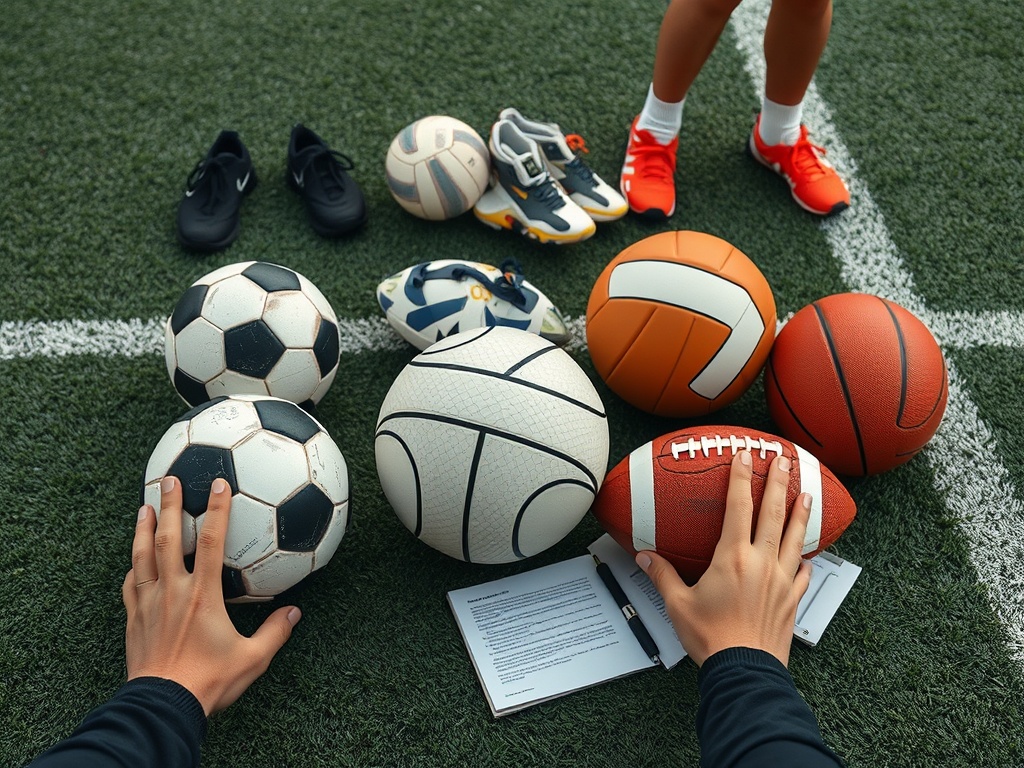
Soccer, Basketball, Volleyball, and Football Differences
Soccer players should prioritize correct size, air pressure, and surface durability. FIFA’s quality program tests footballs for performance and consistency, and its explanation of the FIFA Quality Programme for footballs is useful for readers comparing match and training balls. For casual play, durability and inflation retention may matter more than elite-level touch.
Basketball players should match ball size to age, gender rules, and hand size, then choose indoor or outdoor material. For organized play, check the league standard. FIBA provides official rules and equipment documents through its resource hub. A ball that is too large can change shooting release and dribbling control, so youth athletes should not rush into adult sizing.
Volleyball players need a ball that supports serving, passing, and contact comfort. Indoor and beach volleyballs are built differently, and official FIVB rules are available through the FIVB rules page. Football buyers should consider age level, grip, weather, and whether the ball is for flag, youth tackle, high school, or casual passing.
Common Mistakes When Buying a Ball
The first mistake is buying by appearance. Bright colors and premium branding do not guarantee the right size or feel. The second is ignoring inflation. An underinflated ball teaches different timing, while an overinflated ball can feel harsh and rebound unpredictably. The third is using one ball for every surface.
The fourth mistake is skipping the athlete’s feedback. Players notice grip, bounce, and comfort quickly. If a ball constantly slips, stings, or feels dead, training quality drops. Pair equipment decisions with broader learning goals, especially when athletes are working on shot selection across sports or technique habits.
When to Upgrade or Replace
Replace a ball when it loses shape, leaks air, becomes slick, absorbs water, or no longer behaves consistently. Upgrade when the athlete moves into a new age group, league standard, playing surface, or competition level. For most beginners, two dependable training balls are often more useful than one expensive match ball that is rarely used.
Keep a simple equipment note: purchase date, surface used, inflation behavior, and athlete feedback. This prevents guesswork and helps families or teams budget for replacement before the ball becomes a practice problem.
Budget, Storage, and Team Buying Tips
Teams should standardize practice balls when possible. Mixing different sizes, weights, and materials can make touch unpredictable, especially for developing players. A few older balls can still be used for warm-ups or rough surfaces, but main skill work should use balls that behave consistently.
Families can save money by buying for the actual use case. A driveway basketball, a wet-grass soccer ball, and an indoor volleyball do not need the same materials. Spending more on the ball used most often may make sense, while occasional casual play may only require a durable mid-range option.
Storage matters more than many buyers realize. Keep balls out of extreme heat, prolonged moisture, and sharp equipment bins. Check inflation before important sessions rather than assuming the ball is ready. A small pump and pressure check can prevent a poor practice from being blamed on the athlete.
For clubs, create a replacement schedule before balls are unusable. Rotate newer balls into technical drills and older ones into general warm-ups. This keeps training quality high without wasting equipment that still has some life left.
How to Test a Ball Before You Commit
Before buying several balls for a team, test one in the real environment. Use it for passing, shooting, catching, serving, or dribbling during a normal session. Ask athletes what they notice about grip, flight, bounce, and comfort. Their feedback often reveals problems a product description cannot show.
Check how the ball behaves after repeated use. Some balls feel good for five minutes but lose air, absorb moisture, or become slick. A short trial is helpful, but a full practice gives a better picture. For outdoor balls, include the roughest surface you normally use.
When buying online, read specifications more carefully than reviews. Reviews may come from people using the ball for a different age group or surface. Size, material, inflation range, and intended setting are more reliable than a general star rating.
Matching the Ball to Development Stage
Beginners need a ball that invites clean repetition. If the ball is too demanding, players may build awkward habits just to cope. Intermediate players can start matching equipment more closely to competition standards while still protecting technique quality.
Advanced athletes often benefit from practicing with the same ball type they will use in competition. The closer the training feel is to game conditions, the less adjustment is required under pressure.
Choose for the Player, Not the Display Shelf
The right ball is the one that matches the athlete, rules, surface, and training goal. Start with official sizing, test the feel, and choose consistency over flash.