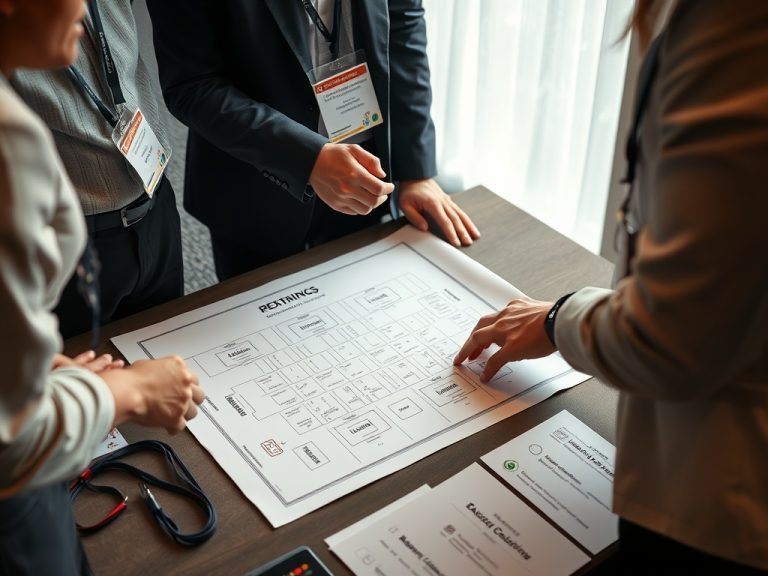
Story-led fundraising formats are changing nonprofit events by shifting attention from only what happens on stage to why donors, volunteers, and communities feel connected to the mission.
Key Takeaways
- The trend is toward more mission-centered formats, clearer donor journeys, and content that extends beyond one event night.
- Story-led does not mean inventing emotional claims; it means presenting verified impact responsibly.
- Over the next 12 to 24 months, teams should watch hybrid storytelling, smaller hosted formats, community-led voices, and stronger impact reporting.
Why story-led formats are gaining attention
Traditional nonprofit events often center on a gala, auction, luncheon, or annual appeal moment. Those formats can still work, but many teams are rethinking how the event carries the mission. Story-led fundraising places verified human, community, program, or organizational impact at the center of the experience. The format may still include dinner, speakers, entertainment, or giving moments, but the event is designed around meaning rather than only ceremony.
This approach matters because donors are often asked to make sense of impact, trust, urgency, and belonging at the same time. A story-led format can help when it is honest, specific, and responsibly sourced. It should not fabricate beneficiary quotes, invented attendee reactions, or unsupported claims about outcomes.
How event teams are adapting workflows
Story-led planning starts earlier than traditional program scripting. Teams need time to identify the theme, confirm permissions, review sensitive content, gather visuals or testimony where appropriate, and decide how the story connects to the fundraising ask. Communications, development, program staff, leadership, and event operations should collaborate from the beginning.
The event brief article can help define the purpose before story decisions begin. Once the story arc is approved, the conference agenda guide can support session or program design for panels, hosted conversations, donor briefings, or impact moments that need more structure than a standard speech.
Formats that are appearing more often
Several formats are becoming more common across nonprofit event planning. Mission dinners use fewer stage elements and more hosted conversation. Impact showcases combine short stories with program stations or exhibits. Community salons bring smaller groups together for deeper discussion. Hybrid fundraising formats use livestreams, recorded segments, and post-event content to reach supporters who cannot attend in person.
These formats should be presented as options, not guaranteed improvements. Their value depends on audience fit, story quality, staff capacity, donor expectations, budget, accessibility, and follow-up. The Event Industry Council Sustainable Event Standards can also be relevant when nonprofit teams want mission alignment to include environmental and social responsibility in event operations.
Story-led format comparison
| Format | Best use | Planning caution |
|---|---|---|
| Mission dinner | High-touch donor connection | Needs careful host preparation and pacing |
| Impact showcase | Programs with visible work or multiple initiatives | Avoid overcrowding the room with too many stations |
| Community salon | Smaller groups and deeper discussion | Requires strong facilitation and clear follow-up |
| Hybrid story event | Distributed supporters or national audiences | Technology and permissions need early review |
What to watch in the next 12 to 24 months
Expect more nonprofit teams to repurpose event stories across email, social, donor stewardship, grant communications, and volunteer recruitment. This makes permissions, accuracy, and dignity more important. A story gathered for one night may become part of a larger content system, so teams should document what can be used, where it can appear, and when it should be retired.
Also watch for smaller, segmented fundraising experiences. Instead of one large event trying to serve every donor type, some organizations may host distinct formats for major donors, first-time supporters, volunteers, corporate partners, and community advocates. That shift can improve relevance, but it also increases planning complexity and budget pressure if not managed carefully. The event debrief tools guide can help teams compare which formats actually support retention, giving, attendance, and mission understanding.
Mission-Led Event Outlook
Story-led fundraising is strongest when it respects the people and communities behind the mission. Use verified impact, careful permissions, audience-aware formats, and clear follow-up so the event builds trust instead of only emotion.
Educational note: fundraising rules, charitable solicitation laws, privacy permissions, accessibility requirements, sponsorship terms, and event policies vary by jurisdiction and organization. This content is informational only and is not legal, financial, tax, travel, immigration, safety, or contractual advice. Verify all requirements with official organizers and qualified professionals.
Guardrails for Responsible Storytelling
Responsible storytelling begins with consent, dignity, and accuracy. Nonprofit teams should confirm who has permission to share a story, what details may be used, which images or recordings are allowed, and how long that content can remain in circulation. This is especially important when stories involve vulnerable people, health, education, crisis support, or sensitive community work.
The fundraising ask should connect clearly to the story without reducing people to a marketing device. Instead of using emotion alone, explain the program context, the verified need, the role of donors, and the practical outcome the organization is working toward. This gives supporters a stronger reason to trust the request.
After the event, treat the story as part of stewardship. Share outcomes when appropriate, thank participants, and review whether the format honored the mission. A story-led event should leave supporters more informed and connected, not merely moved for one evening.
Story-led formats also require careful pacing. If every moment is emotionally intense, guests can become overwhelmed or skeptical. Balance story, context, participation, and practical information. Give supporters space to understand the issue, see the organization’s role, and decide how they want to contribute. A thoughtful event does not pressure people with unsupported claims. It builds trust by showing the mission clearly, respecting the people represented, and making the next step easy to understand.
Teams should also review how story-led formats affect budget. Smaller hosted events may reduce production scale but increase staff time, facilitation needs, content preparation, or stewardship work. Hybrid storytelling may expand reach but add technology, editing, captioning, and permission-management tasks. A format is only sustainable if the organization can support the full workflow, not just the public-facing event moment.
When community members or beneficiaries are involved, review the experience from their point of view as well as the donor’s. Transportation, preparation, privacy, compensation where appropriate, emotional safety, and post-event follow-up may all matter. A story-led format should not create hidden burdens for the people whose stories give the event its meaning.
Start with a verified mission story and a clear donor journey, then choose the event format that can carry both with dignity and operational discipline.
Use this article as a planning reference, then confirm event-specific details with official organizers, platforms, venues, and qualified professionals before taking action.