Psychological safety on a team means players believe they can ask questions, admit confusion, report concerns, and offer ideas without being mocked, punished, or ignored. Teams build it through consistent coach behavior, clear norms, and quick responses when silence becomes risky.
Quick Takeaways
- Psychological safety is not softness; it is a condition for honest communication.
- Players speak up earlier when coaches reward questions and respond calmly to mistakes.
- Teams should make safety, tactics, and feedback routines explicit rather than relying on personality.
What Psychological Safety Looks Like in Sport
In sport, psychological safety shows up when a player can say, “I do not understand the coverage,” “My ankle does not feel right,” “I think we are missing a cue,” or “I made the wrong read,” without expecting humiliation. It does not remove standards. It helps teams reach standards because information moves faster.
A qualitative study on psychological safety in sport notes that the concept may support positive outcomes in sport settings while also needing more clarity in the sport-specific evidence base. That balance is useful: coaches should not turn it into a slogan, but they can still build routines that make honest communication easier, as discussed in the psychological safety in sport research.
The Coach Sets the Temperature
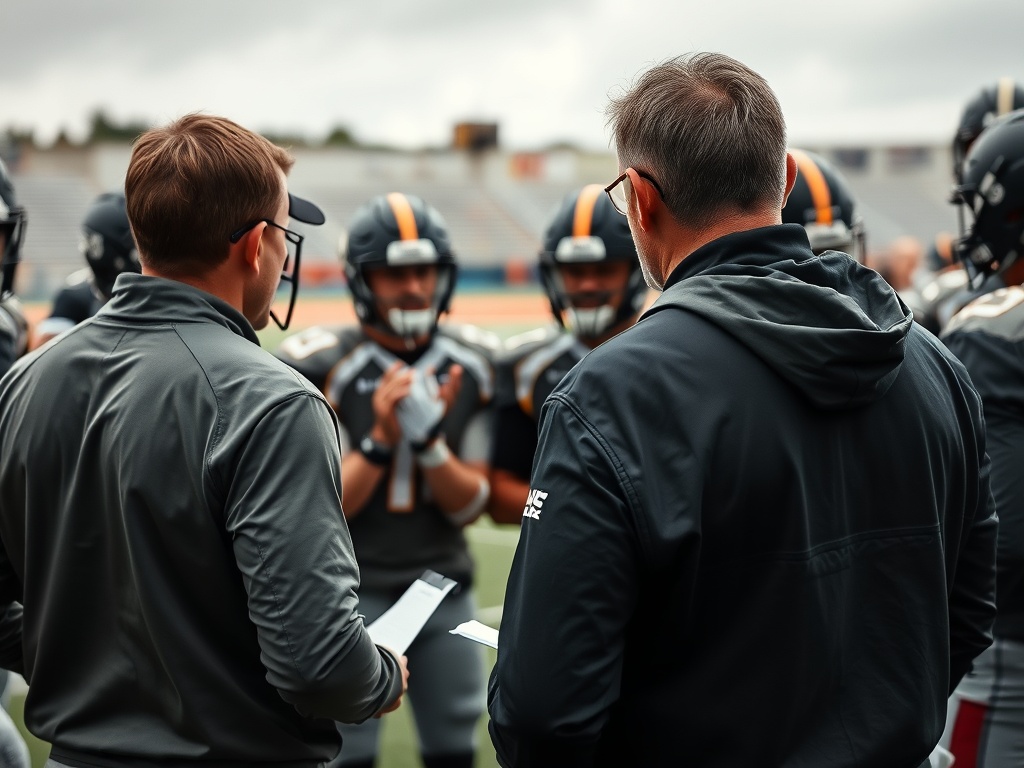
Players watch how coaches respond to small moments. If a question gets sarcasm, fewer questions follow. If a mistake gets a teaching cue, players keep learning. If an injury concern gets dismissed, athletes may hide pain. A coach’s first response often teaches the team what is safe to say.
Captains matter too, but they cannot outwork an unsafe environment created by adults. The coach should model phrases such as, “Good question,” “Thanks for raising it,” “Let us check that,” and “What did you see?” This is not performative kindness. It is information management.
Practical Routines That Make Speaking Up Normal
Teams should also watch for the difference between discomfort and distress. Practical fueling guidance such as gaining weight for sport without feeling sluggish can reduce avoidable performance strain, while the USOPC Mental Health & Performance resource shows how seriously modern sport treats mental support as part of athlete care.
| Team routine | How to use it | What it protects |
|---|---|---|
| Two-question check-in | What is clear? What is unclear? | Learning and role clarity |
| Mistake reset phrase | Name the correction, then move on | Confidence after errors |
| Injury honesty rule | Report early discomfort without penalty language | Player safety |
| Rotating voice | Different players share observations | Quieter athletes and bench players |
| Debrief norms | Facts before interpretations | Trust after wins and losses |
Where Teams Accidentally Create Silence
Silence often grows from unclear roles, public embarrassment, favoritism, rushed explanations, or a culture that treats questions as weakness. It also appears when only stars are invited to speak. Younger players, substitutes, late bloomers, and quieter personalities may notice problems early but stay silent if they expect dismissal.
Teams can counter this with structured input. Ask every position group for one observation. Rotate who leads a warm-up reflection. Use anonymous check-ins when the topic is sensitive. In post-game meetings, use the factual structure from a healthy debrief process so criticism does not become personal.
Safety and Performance Are Connected
Psychological safety matters for performance because many sport problems are time-sensitive. A player who notices a tactical mismatch, equipment issue, confusion on a set play, or early pain signal may prevent a larger problem by speaking up. Silence delays correction.
It also helps learning. Athletes develop when they can ask why, test ideas, and admit what they do not yet understand. That supports technical work, team strategy, and mental resilience. A player using video analysis is more likely to benefit when the team climate allows honest review without embarrassment.
Warning Signs and Fixes
Warning signs include players looking to the bench before answering, laughing at teammates’ mistakes, hiding injuries, avoiding leadership roles, or saying “I am fine” when behavior suggests otherwise. Coaches should treat these as team signals, not personality flaws.
Fixes should be concrete. Create a “stop and clarify” rule during walkthroughs. Praise early reporting of injuries. Correct mocking immediately. Ask, “What are we not saying?” after tough games. Follow up privately with players who rarely speak. Trust grows when responses stay consistent.
How Captains Can Support a Safer Team Voice
Captains do not need to become therapists. Their role is to reinforce team norms in everyday moments. They can invite quieter teammates into discussions, stop mocking comments early, and model how to ask for clarification. Small behaviors from respected peers often make the coach’s message feel real.
Captains should learn to separate private support from public correction. If a teammate looks confused, a quiet check-in may work better than calling them out. If a safety concern appears, the captain should bring it to the coach quickly rather than trying to manage it alone.
Teams can give captains a simple weekly task: ask two teammates what is unclear before practice ends. This creates a bridge between players and coaches without turning feedback into gossip. The captain reports themes, not personal complaints, unless safety requires detail.
Leadership also means admitting uncertainty. When captains say, “I am not sure either; let us ask,” they make questions normal. That single sentence can reduce the pressure on younger players who think they are the only ones confused.
Measuring Psychological Safety Without a Survey Tool
Teams can observe practical signs. Do players ask clarification questions during walkthroughs? Do substitutes share useful observations? Do athletes report discomfort early? Do teammates correct each other respectfully? These behaviors reveal more than a slogan on a wall.
A coach can run a monthly “one thing to improve” check-in. Ask players privately or anonymously what would help the team communicate sooner. Look for repeated themes. If several players mention unclear roles, fear of mistakes, or not wanting to bother the coach, the team has actionable information.
Progress should be visible in behavior. More questions, earlier injury reporting, clearer huddle communication, and calmer mistake responses all suggest the environment is improving. The goal is not perfect comfort. It is earlier, more honest information.
Building Trust After It Has Been Damaged
If players have learned to stay silent, one team talk will not fix it. Coaches may need to acknowledge the pattern directly, change their response habits, and prove over several weeks that questions are welcome.
Repair also requires consistency after pressure moments. It is easy to support questions during a calm practice. The real test comes after a mistake, injury concern, or close loss. That is when players decide whether the environment has truly changed.
What Not to Confuse With Psychological Safety
Psychological safety does not mean every decision is voted on or every player gets the role they want. Coaches can still set standards, choose lineups, and correct behavior. The difference is that players can ask, learn, and report concerns without fear of ridicule.
It also does not mean avoiding pressure. Competitive teams need pressure. The goal is to make pressure clear and purposeful rather than personal or humiliating.
Make Honesty a Team Skill
Psychological safety grows through repeated evidence that speaking up helps the team. Set norms, respond well, and make questions part of the routine before pressure exposes the silence.