Shot selection changes by sport because each game rewards a different mix of space, timing, risk, scoring value, and opponent pressure. A smart shot in basketball may be a poor choice in tennis, soccer, golf, or volleyball because the definition of “good” depends on the rules and the moment.
Quick Takeaways
- Shot selection is not just accuracy. It is the choice that balances reward, risk, available space, and game situation.
- Beginners improve faster when they ask why a shot fits the moment, not only whether it worked.
- The same athlete can need patience in one sport, aggression in another, and percentage play in a third.
Why “Good Shot” Means Different Things
Shot selection is the decision to use a particular attempt, pass, strike, swing, serve, or finish at a specific moment. It matters because sports rarely reward the most spectacular option as consistently as the most appropriate option. In basketball, a corner three can be efficient because of spacing and point value. In soccer, a low shot across goal may be useful because it can beat the goalkeeper or create a rebound. In tennis, a safe cross-court rally ball may be better than a flashy down-the-line winner when the player is off balance.
The key distinction is that outcomes can deceive beginners. A difficult shot that goes in once does not automatically become a good selection. A well-chosen attempt that misses can still be the right decision if it matched the athlete’s position, skill level, and tactical goal. This is why coaches often separate decision quality from execution quality, especially when reviewing play with tools like athlete video analysis.
The Four Filters Behind Every Attempt
Across sports, shot choice usually passes through four filters: scoring value, probability, pressure, and consequence. Scoring value asks what the attempt is worth. Probability asks how often the athlete can execute it from that position. Pressure includes defenders, wind, fatigue, crowd noise, clock, and score. Consequence asks what happens if the attempt fails.
Basketball makes this easy to see. A three-point attempt is worth more than a two-point attempt, but that does not make every three a wise shot. A contested pull-up with no rebounders nearby differs from an open catch-and-shoot look created by good ball movement. In soccer, the same logic applies to shooting from distance. A long-range strike may be reasonable when the goalkeeper is out of position, but wasteful when teammates have better angles.
Tennis and volleyball add another layer because shot selection often controls the next exchange. A tennis player may hit heavy topspin deep to the backhand not to win immediately, but to create a weaker reply. A volleyball attacker may use a controlled roll shot or tip when the block takes away the full swing. The official rules frame what is legal, but the athlete’s judgment determines what is useful; for example, the IFAB Laws of the Game define the ball and restarts in soccer, while decision-making lives inside those boundaries.
Comparison Across Common Sports
| Sport | What “good selection” often means | Common trap |
|---|---|---|
| Basketball | Open, balanced attempt with spacing, clock awareness, and rebound support | Taking a difficult shot just because it is worth three points |
| Soccer | Shot, pass, or cutback matched to angle, goalkeeper position, and teammate runs | Shooting from distance when a higher-value chance is available |
| Tennis | Ball placement that controls the rally and fits court position | Going for winners from defensive positions |
| Volleyball | Attack choice that beats the block or targets open floor | Swinging hard into a formed block every time |
| Golf | Target choice that accounts for lie, hazards, wind, and scoring goal | Aiming at every flag regardless of risk |
Beginner Misunderstandings That Lead to Bad Choices
Beginners often judge shot selection by drama. They remember the long goal, the deep three, the ace, or the winner, then copy the highlight without copying the setup. Highlights hide context: score, fatigue, opponent position, prior patterns, and the athlete’s skill base. Good shot selection is usually boring before it becomes brilliant.
Another misunderstanding is thinking conservative always means smart. Safe choices can be poor if they give the opponent control. A soccer player who always shoots early may waste possessions, but one who never shoots lets defenders collapse. A tennis player who only rolls the ball back may survive rallies but lose initiative. The practical goal is not caution; it is fit.
A Simple Practice Method for Better Decisions
Use three-question review after training or games: What did I see? What did I choose? What happened next? This forces athletes to name the cue before judging the outcome. A basketball player might say, “The help defender stepped toward the ball, so the corner was open.” A golfer might say, “The pin was tucked behind water, so the center of the green was the better target.”
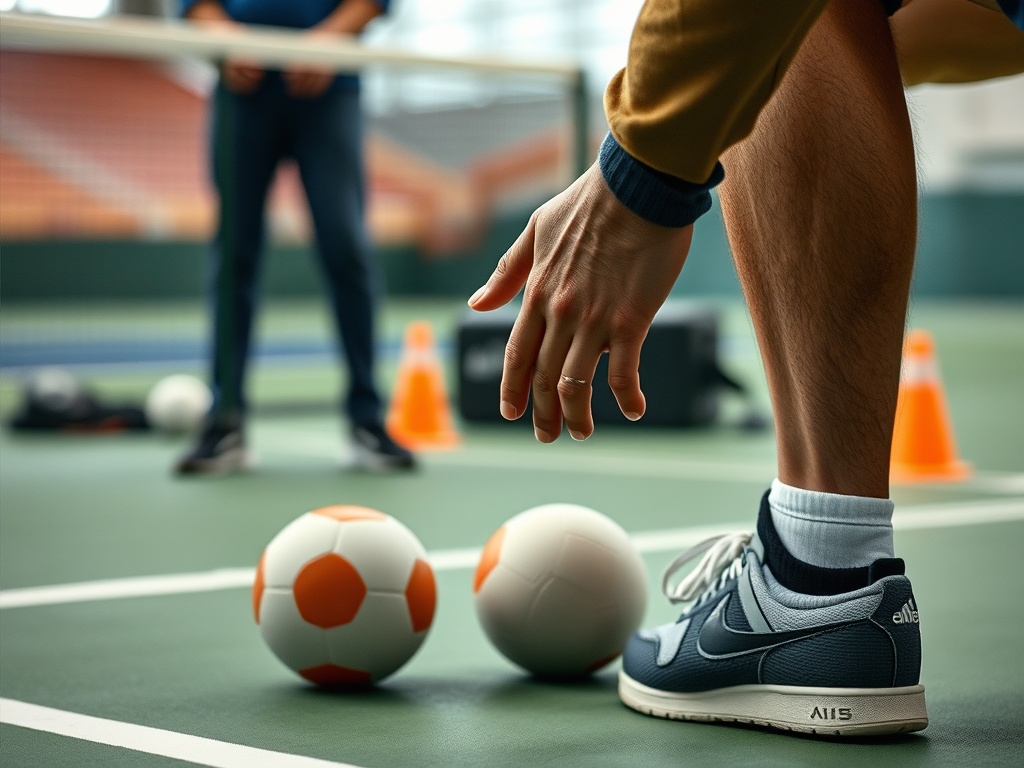
Coaches can add constraints to speed learning. Give points for the right shot type, not only for scoring. In soccer finishing drills, reward the pass across goal when the shooter has a poor angle. In volleyball, reward an off-speed attack that lands in open space. These rules teach players that the best shot is often the one that solves the situation, not the one that looks impressive.
A Better Way to Watch Great Players
When watching elite athletes, pause before the attempt and ask what options were available. Notice body position, opponent shape, clock, score, and space. Then watch the result. This turns viewing into learning instead of imitation. It also helps fans understand why some missed attempts are praised by coaches and some made attempts still earn criticism.
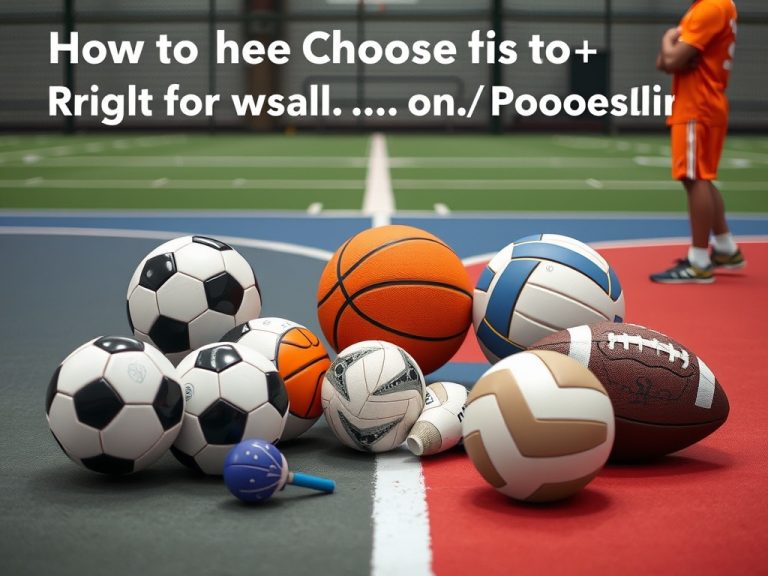
For readers comparing equipment, the ball itself also changes shot behavior. Weight, grip, bounce, compression, and surface all affect control, which is why choosing the right ball for each sport matters for beginners and serious players alike.
How to Coach the Decision Without Overcoaching the Player
Team decision-making also depends on communication. When athletes feel safe explaining what they saw, the habits described in how to build psychological safety on teams can support better in-game reads, while the NCAA Sport Science Institute’s training and performance guidance gives coaches a credible reference for preparation habits that influence choices under pressure.
For coaches, the simplest way to teach shot selection is to praise the read before the result. If a player takes the right shot and misses, name the correct cue. If a player scores from a poor decision, avoid celebrating the choice as if it should become the team standard. This helps athletes understand that good decisions create better long-term percentages, even when a single outcome is noisy.
Use short language during live play. A coach might say, “Right idea,” “Better angle,” “Reset the feet,” or “Look weak side.” Save longer explanations for breaks or film. Athletes cannot process a lecture in the middle of a rally, possession, or point. The goal is to guide attention, not control every movement.
Players also need freedom to test choices. A young athlete who is never allowed to miss will eventually stop seeing options. Build practice segments where athletes earn credit for making the correct read, even if execution is imperfect. That gives them a safe space to connect perception and action before competition adds pressure.
Over time, track decisions in broad categories rather than obsessing over every attempt. Label attempts as high-quality, forced, rushed, or unavailable. This language is easier for athletes to remember and easier for coaches to apply across sports. It keeps the conversation focused on learning instead of personal criticism.
The Practical Read on Smarter Shot Choices
Treat shot selection as a decision skill. The more clearly athletes connect cues to choices, the less they rely on luck, imitation, or highlight thinking. Start with one sport, one cue, and one repeatable decision pattern, then review it honestly after each practice.