
Outdoor hospitality satisfaction should be measured around the realities of the stay: site or accommodation quality, cleanliness, amenity reliability, activity experience, staff support, weather disruption, safety, and the likelihood of returning. A single star rating cannot show which part of a campground, glamping property, lodge, or adventure stay is creating satisfaction or friction.
Outdoor Guest Scorecard | Combine overall satisfaction, recommendation intent, review themes, accommodation or site-condition scores, cleanliness, amenity uptime, activity participation, service recovery, weather-disruption handling, safety issues, and repeat booking. Segment results by accommodation type, season, weather conditions, and trip purpose.
Define the Outdoor Experience by Its Actual Components
Outdoor hospitality covers a wide range of products, from cabins and safari-style tents to campgrounds, mountain lodges, and nature-focused resorts. The scorecard should reflect what the property actually sells. A campsite guest may care about site condition, power, water, washrooms, quiet hours, and fire rules, while a lodge guest may place more emphasis on room comfort, dining, transfers, or guided activities.
Start by mapping the guest journey from arrival to departure. Select the touchpoints that management can observe and improve. Avoid asking guests to score features that are not central to the stay, because long surveys can reduce response quality without adding useful insight.
The tropical resort satisfaction framework offers a parallel example of how environment-specific conditions should be added to a general satisfaction program rather than hidden inside one overall score.
Track Accommodation and Site Quality Separately
Measure satisfaction with the physical accommodation or site as its own category. Useful submetrics include cleanliness, sleep comfort, temperature control, lighting, power reliability, water or bathroom access, privacy, noise, and the condition of outdoor furniture or fire areas where applicable.
Pair subjective ratings with observable operational measures such as maintenance cases per stay, amenity downtime, repeat defects, or the percentage of units passing a pre-arrival inspection. This helps distinguish a perception issue from a recurring asset problem.
Cornell research on customer satisfaction measurement supports the broader principle of examining specific experience drivers rather than relying solely on an overall satisfaction question.
Treat Weather and Season as Reporting Dimensions
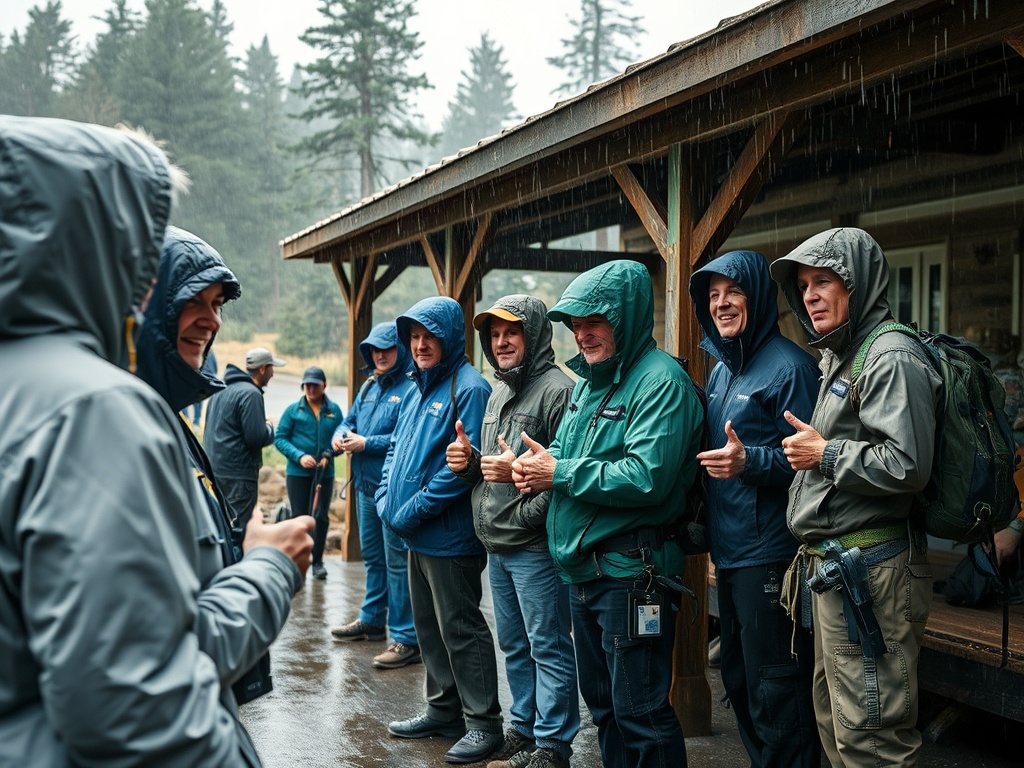
Outdoor stays are more exposed to weather than many conventional hotel experiences. Rain, snow, smoke, high heat, wind, trail closures, wildlife restrictions, or road conditions can change the available experience. Tag each stay with relevant disruption data so management can compare satisfaction under normal and disrupted conditions.
Do not use weather as a blanket explanation for low scores. Instead, measure how well the property communicated changes, offered alternatives, adjusted activities, or handled cancellations and rebooking within its stated policies. Service recovery can be evaluated even when the original disruption was outside the property’s control.
Season also affects expectations. A ski-season lodge, summer campground, and foliage-season cabin product may attract different guest segments. Compare like periods and similar accommodation types before setting performance targets.
Measure Activities and Amenities by Reliability and Use
Outdoor hospitality often depends on more than the room or site. Track participation, capacity utilization, cancellations, wait times, equipment availability, and satisfaction for activities that materially shape the stay. If a property offers guided hikes, ski services, bike rentals, water activities, or nature programming, those experiences can be measured separately.
A high participation rate is not automatically positive if queues, safety issues, or equipment problems rise with it. A low participation rate may not indicate failure if an activity is optional and designed for a small segment. Interpret use according to the experience strategy.
For environmental initiatives around trails, water, waste, habitat, or resource use, the sustainable hotel performance article provides a separate measurement lens that can be adapted to outdoor properties.
Include Safety Without Turning the Guest Survey Into a Compliance Audit
Guest safety perception can be included in a survey, but formal safety performance requires operational data. Track incidents, near-misses, first-aid events, emergency response time, inspection findings, activity cancellations for safety reasons, and training completion where relevant.
A guest who reports feeling unsafe provides important feedback, but that perception is not the same as a verified hazard. Likewise, a low complaint rate does not prove that a site is safe. The hotel safety and accessibility metrics framework explains how to separate experience data from compliance and incident reporting.
Measure Accessibility in the Outdoor Context
Accessibility can involve parking, routes, restrooms, cabins, campsites, viewing areas, trail access, reservation information, and communication. Track which accessible features have been verified, how accurately they are described in reservations, and how often guests request assistance because the actual conditions differ from the information provided.
For U.S. properties that fall within applicable lodging requirements, the ADA lodging regulations and technical standards are authoritative sources for legal obligations. Metrics can support management, but they should not be represented as a substitute for a qualified accessibility review.
Use Reviews as Qualitative Evidence
Public reviews can reveal recurring language about cleanliness, noise, staff helpfulness, scenery, site spacing, bathrooms, activity quality, or weather handling. Code these themes consistently and track their frequency. Avoid turning a few memorable comments into a supposed trend.
Where possible, compare review themes with post-stay survey data and operational records. If all three sources point to the same issue, management has stronger evidence for action.
Protect Survey Quality and Response Consistency
Outdoor properties often serve guests with different levels of connectivity and different departure routines, so response collection can be uneven. Track response rate by accommodation type and collection channel, and avoid comparing groups when one segment is represented by only a small number of responses.
Keep core questions stable across the season and use optional open-text questions for emerging issues. If a storm, closure, or major operational change occurs, tag the affected stays rather than rewriting the survey mid-season. Consistent questions make it easier to separate a real trend from a change in measurement.
Create Benchmarks by Experience Type
Benchmark cabins against cabins, RV sites against comparable RV sites, and tent sites against comparable tent sites. A single property-wide score can hide meaningful differences in comfort, price, amenities, and guest expectations.
Also segment by trip purpose where data is available, such as family recreation, adventure activity, relaxation, event travel, or pass-through stays. The goal is not to create dozens of dashboards. It is to prevent a large segment from masking a smaller but important problem.
Turn the Scorecard Into an Operating Routine
Choose a limited number of metrics that can be reviewed monthly in season and at the end of each major season. Give each measure an owner and define what investigation follows when it moves materially.
For the next outdoor-hospitality review, compare satisfaction, issue rate, amenity uptime, and repeat booking across accommodation type and weather status before changing the survey or setting a new target.