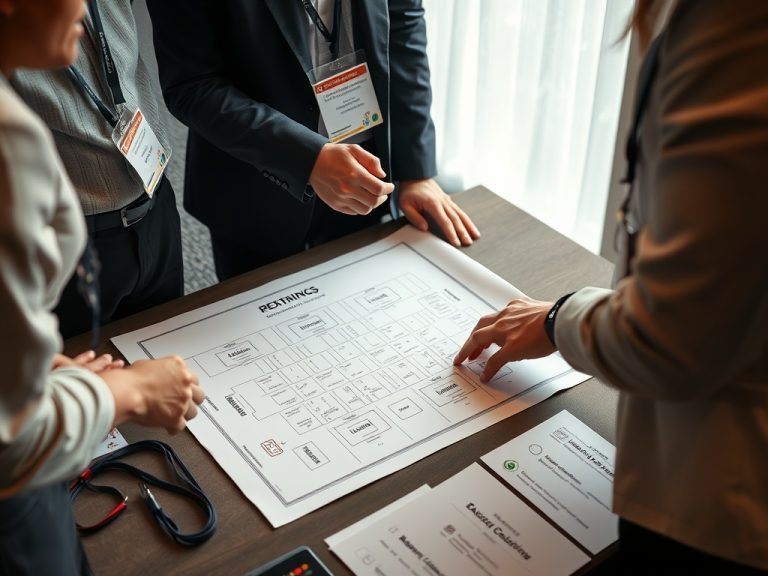
A useful event debrief combines tools, templates, and owner follow-through. The best stack captures feedback, compares performance against goals, and turns findings into decisions for the next event.
Key Takeaways
- Debrief tools should match event size, data complexity, and reporting needs.
- Templates work best when they separate attendee experience, operations, revenue, marketing, sponsor value, and team learning.
- A debrief is not complete until action items have owners and deadlines.
What a debrief system needs to do
An event debrief should answer four questions: what happened, why it happened, what it means, and what the team will change. Tools help capture the evidence, but the template gives the conversation structure. Without structure, debriefs often become a mix of anecdotes, complaints, and broad praise that does not improve the next event.
Start by linking the debrief to the original brief, agenda, budget, risk plan, and marketing goals. If the team has already used the risk assessment guide, incident logs and near misses should be part of the review. If the event had commercial goals, the revenue model checklist gives useful categories for evaluating ticket, sponsor, exhibitor, or donation outcomes.
Tool categories to consider
Most teams need a combination of survey tools, registration or ticketing analytics, CRM or marketing automation data, project management software, shared documents, meeting notes, and dashboard reporting. Larger events may add badge scanning data, session attendance, lead retrieval, sponsor reports, content analytics, and support ticket trends.
Do not buy a tool only because it creates attractive charts. Ask who will use the data, what decision it will support, and how quickly the team needs the answer. A small workshop may need a simple survey and action tracker. A sponsor-backed conference may need more formal reporting and evidence of audience engagement.
Template sections that prevent vague reviews
A practical debrief template should include event goals, audience profile, attendance pattern, registration path, agenda performance, speaker or performer management, venue and logistics, check-in, catering, signage, technology, safety or risk issues, marketing performance, revenue, sponsor or partner delivery, attendee feedback, team observations, and action items.
Each section should ask for evidence. Instead of did check-in go well, ask what was the longest observed line, what exceptions caused delays, and what should change in staffing or signage. The check-in mistakes guide can support that review by giving teams a clear list of arrival issues to examine.

Debrief stack comparison
| Event size | Useful tool mix | Implementation tip |
|---|---|---|
| Small internal event | Survey form, shared doc, task tracker | Keep questions short and action-focused |
| Public workshop | Registration report, survey, notes, issue log | Review attendance sources and drop-off points |
| Conference | Dashboard, CRM, session data, sponsor report | Define metrics before the event starts |
| Hybrid or virtual event | Platform analytics, chat/Q&A export, replay data | Separate live engagement from post-event content use |
Implementation tips for stronger follow-through
Schedule the debrief while memories are still fresh, but give teams enough time to collect data. Separate the immediate hot wash from the deeper review. The hot wash captures urgent observations within 24 to 72 hours. The deeper review compares data against goals and assigns improvements.
Every action item should have one owner, one deadline, and one reason it matters. Avoid vague improvements such as make signage better. Write specific actions such as create a sign placement map during the venue walkthrough and assign proof approval to operations. That level of clarity turns debrief notes into repeatable improvement.
Debrief-to-Action Handoff
The right debrief stack is the one your team will actually use to make better decisions. Capture evidence, structure the conversation, assign owners, and carry lessons into the next brief instead of filing them away.
Educational note: event data, attendee feedback, sponsor reporting, and platform analytics may involve privacy, contractual, or compliance obligations. This content is informational only and is not legal, financial, travel, immigration, safety, technical, or contractual advice. Verify requirements with official platforms, organizers, and qualified professionals.
Choosing Templates Without Overbuilding
Templates should make the debrief faster, not heavier. If a template asks for too many fields, busy teams will fill it with vague language or avoid it entirely. Start with the decisions the organization needs to make: renew the venue, adjust pricing, change staffing, improve content, update sponsor benefits, or refine promotion. Then design the template around those decisions.
Use separate evidence columns for data and observations. Attendance numbers, registration source, survey ratings, session scans, and email performance are different from staff notes and attendee comments. Keeping them separate prevents one dramatic anecdote from overpowering a broader pattern, while still respecting useful on-the-ground insight.
A debrief should also protect institutional memory. People leave teams, vendors change, and annual events repeat under pressure. Store final templates, action items, vendor notes, and decision rationales in a place the next planning cycle can actually find. The best debrief is a bridge, not an archive.
When choosing software, consider how the debrief will look six months later. The team may need to compare year-over-year attendance, sponsor renewal notes, session performance, or vendor issues. A tool that works only for immediate meeting notes may not support longer-term learning. At the same time, a complex analytics platform may be excessive if nobody maintains it. Choose a stack that fits both the current event and the next planning cycle.
The debrief meeting itself should be facilitated, not left to chance. Open with the original goals, review the strongest evidence, invite short observations, and then move quickly into decisions. Long storytelling without decisions can drain energy. A focused meeting respects everyone’s time and increases the chance that improvements are actually made. Save deep analysis for the few areas that will change future planning.
For sponsor-backed events, include sponsor fulfillment in the debrief rather than treating it as a separate sales topic. Review promised benefits, delivered assets, audience engagement, lead quality where applicable, and follow-up commitments. This helps renewal conversations stay grounded in evidence and prevents the next sponsorship package from repeating benefits that were hard to deliver.
Keep the final debrief document short enough for future teams to read. Put long exports in an appendix or shared folder, then summarize the decisions that matter most.
Pick the simplest tool stack that captures reliable evidence, then turn every useful finding into an owned action for the next event cycle.
Use this article as a planning reference, then confirm event-specific details with official organizers, platforms, venues, and qualified professionals before taking action.