
New camera angles, drones, and tracking data change sports storytelling by showing movement, space, speed, and decision-making in ways a traditional broadcast view can miss. They can make fans smarter, but they also require careful use so technology supports the story instead of distracting from it.
Quick Takeaways
- Drones and specialty cameras can reveal speed, spacing, and terrain from fresh perspectives.
- Tracking data helps explain movement patterns, not just final outcomes.
- The best broadcasts use technology to clarify the sport, not overwhelm viewers.
Why the Standard Broadcast View Is Limited
The traditional wide camera is useful because it shows the main action clearly. But it can flatten speed, distance, depth, and off-ball movement. Fans may see the pass, shot, or finish without seeing the space that created it. Coaches and analysts have long understood this limitation, which is why tactical review often uses multiple angles.
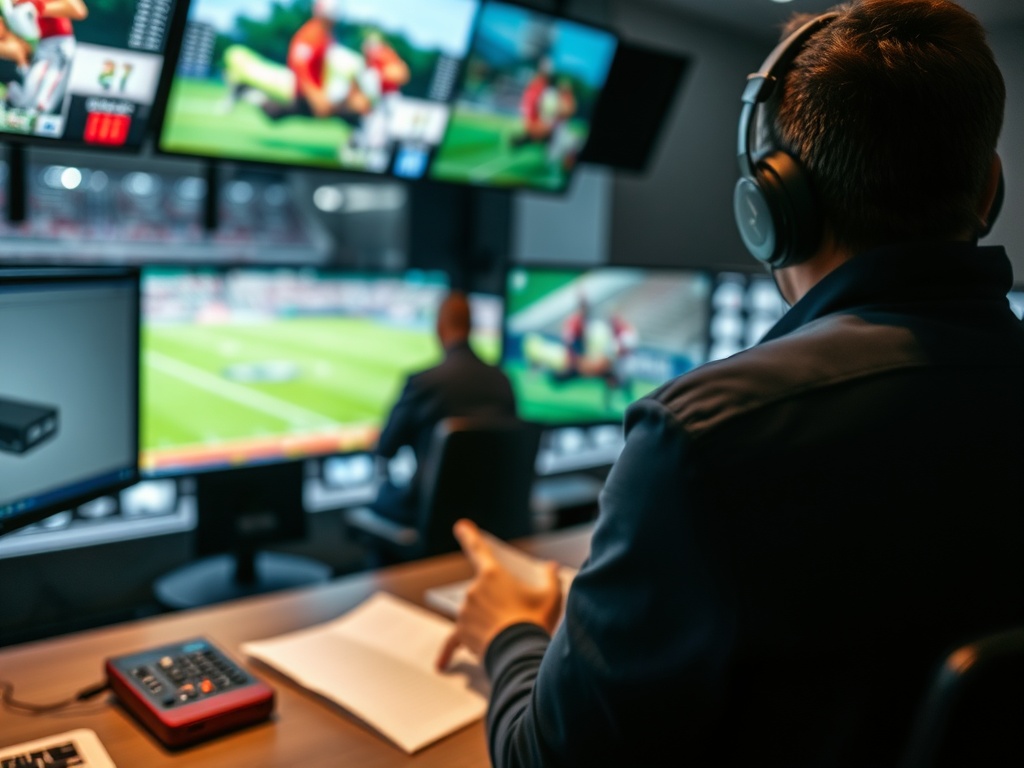
New production tools expand the story. A low sideline camera can make speed feel immediate. A drone can show terrain, formation shape, or racing lines. Tracking data can reveal how players moved before the obvious moment. Used well, these tools help viewers understand why a play happened, not only what happened.
What Drones Add
Drones are valuable when the sport benefits from movement through space: skiing, cycling, motorsport, surfing, field sports, and large outdoor events. They can follow athletes from angles that fixed cameras cannot reach. PopSci’s coverage of technology around the 2026 Winter Olympics described drones maintained by Olympic Broadcasting Services capturing perspectives not possible from typical cameras, including high-speed follow shots near athletes through new Olympic broadcast technology.
The caution is safety and restraint. Drone shots must respect competition rules, athlete concentration, crowd safety, and broadcast clarity. A spectacular angle is not useful if it hides the ball, misses the tactic, or makes the viewer dizzy.
How Tracking Data Changes the Story
Broadcast technology connects directly to business decisions. The pressures explained in sports media rights and streaming changes help explain why leagues invest in richer viewing experiences, and the IOC’s OBS Media Hub gives a useful official example of how Olympic coverage is planned, produced, and shared.
| Tool | What it can show | Best use | Risk |
|---|---|---|---|
| Drone camera | Speed, terrain, formation width, event scale | Outdoor and movement-heavy sports | Distracting or unsafe angles |
| Low sideline camera | Physicality and pace | Short replays and atmosphere | Poor tactical overview |
| Tracking data | Movement, spacing, speed, workload | Explainers and analysis segments | Overstating intent |
| Multi-view feed | Choice of tactical or star-focused angle | Streaming platforms and advanced fans | Too much complexity |
| Automated highlight tools | Fast access to key moments | Post-game clips and recaps | Missing context before the play |
The Coaching and Fan Education Link
Tracking data can show acceleration, spacing, passing lanes, defensive shape, sprint load, and repeated movement patterns. For fans, it can explain why a player created value without touching the ball. For coaches, it can support training priorities. For athletes, it can connect performance review to what actually happened.
However, data should not pretend to know intent. A tracking graphic can show that a winger stayed wide; it cannot automatically prove why. A camera angle can show a defender’s positioning; it cannot reveal the internal instruction unless confirmed. This matters because sports storytelling should separate fact, analysis, and speculation, just as athletes should separate observation from judgment during technique video review.
When Technology Distracts
Technology distracts when it appears during the wrong moment, hides the live action, adds unexplained numbers, or turns every play into a graphics package. Fans do not need constant novelty. They need context. A good broadcast introduces a tool, explains what it shows, and returns to the game.
Another risk is unequal access. Professional leagues may have advanced tracking, while smaller events rely on limited cameras. That does not make smaller events less meaningful. It simply changes the storytelling tools available. Broadcasters and creators should match production choices to the level and purpose of the event.
What This Means for the Future Viewer
Fans will likely see more alternate feeds, tactical cameras, creator-led commentary, automated highlights, and data-supported explainers. This connects directly to sports media rights and streaming changes because platforms use production features to differentiate their coverage.
The best future broadcasts will feel clearer, not busier. They will use drones to reveal space, close cameras to show skill, and tracking data to explain movement. They will still let the sport breathe.
What Coaches, Broadcasters, and Fans Should Ask of New Tech
Every new visual tool should answer a clear question. What space opened? How fast did the athlete move? Where did the defender shift? Why did the passing lane appear? If the tool cannot answer a question, it may be decoration rather than storytelling.
Broadcasters should introduce graphics with plain language. A viewer should not need a production background to understand a tracking overlay. The best explanations connect the visual to the sport: “This shows why the striker stayed wide,” or “This angle reveals the downhill speed before the turn.”
Coaches should be careful when borrowing broadcast data for athlete feedback. A public graphic may be designed for storytelling, not complete performance diagnosis. Use it as a conversation starter, then confirm with training footage, match context, and athlete input.
Fans can enjoy the extra perspective while staying skeptical. A number or angle can reveal something true, but it rarely tells the whole story. Better sports storytelling combines technology, rules knowledge, and honest analysis without pretending the screen knows every intention.
Why Smaller Sports May Benefit Most
New production tools are not only for the biggest leagues. Smaller sports can use affordable cameras, simple overlays, and basic tracking to explain rules, athlete skill, and event flow to new audiences. Clear storytelling can make unfamiliar sports easier to enter.
However, smaller organizations should avoid copying elite broadcasts without the same resources. A clean wide shot, reliable audio, and thoughtful replay may serve fans better than unstable novelty angles. Production quality starts with clarity.
Creators covering niche sports can also use technology for education. A short replay that shows spacing, a blurred whiteboard explanation, or a side-angle technique clip can help viewers learn. The point is to reduce confusion so the sport’s real drama becomes visible.
Keeping Human Judgment in the Story
Technology can highlight patterns, but human judgment explains meaning. A good analyst uses the angle or data point as evidence, then adds context from rules, tactics, athlete skill, and game state.
The strongest storytelling will likely combine three layers: what the viewer can see, what the data can measure, and what the sport context suggests. Keeping those layers separate helps broadcasts stay trustworthy.
The Viewer’s New Skill
The modern viewer is learning to read production choices as part of the event. A drone shot, data overlay, or alternate camera is not neutral; it guides attention. Fans who understand that can enjoy the extra perspective without being led too easily.
Ask what the angle reveals and what it hides. That one question keeps technology in its proper place: useful, exciting, educational, and still only one view of the game.
Use the Tools to Make the Sport Clearer
New camera angles and data are most powerful when they explain the game without replacing it. The future of sports storytelling should help fans see space, timing, and choices more clearly.