The best low-maintenance patio surface is usually the one that matches your climate, drainage, budget, and tolerance for occasional cleaning. For many homes, concrete pavers, porcelain pavers, or a well-built concrete slab offer the simplest balance of durability and routine care, while gravel and natural stone can be excellent when their tradeoffs fit the site.
Quick Take: Choose concrete pavers for repairability, porcelain pavers for stain resistance and a refined finish, poured concrete for a simple continuous surface, natural stone for character, and gravel for a lower-cost permeable option. Installation quality matters as much as the surface itself.
What low maintenance really means outdoors
A low-maintenance patio is not a no-maintenance patio. Outdoor surfaces collect soil, pollen, leaves, food spills, algae, and winter debris. Joints can move, sealants age, and freeze-thaw cycles can expose weak base preparation. The useful question is not which material never needs attention, but which material asks for the type and amount of care you are willing to provide.
Start by separating three decisions: surface care, structural upkeep, and drainage. Surface care covers sweeping, rinsing, spot cleaning, and stain management. Structural upkeep includes resetting pavers, filling joints, sealing cracks, or replacing damaged units. Drainage determines whether water leaves the patio predictably instead of ponding near the house or washing out the base.
The U.S. Environmental Protection Agency notes that permeable pavement can allow rain and snowmelt to move through the surface into underlying soil and gravel. That can make permeable pavers attractive where runoff is a concern, but suitability still depends on soil, local requirements, and proper design.
Patio material comparison at a glance
| Surface | Best fit | Routine care | Main tradeoff |
|---|---|---|---|
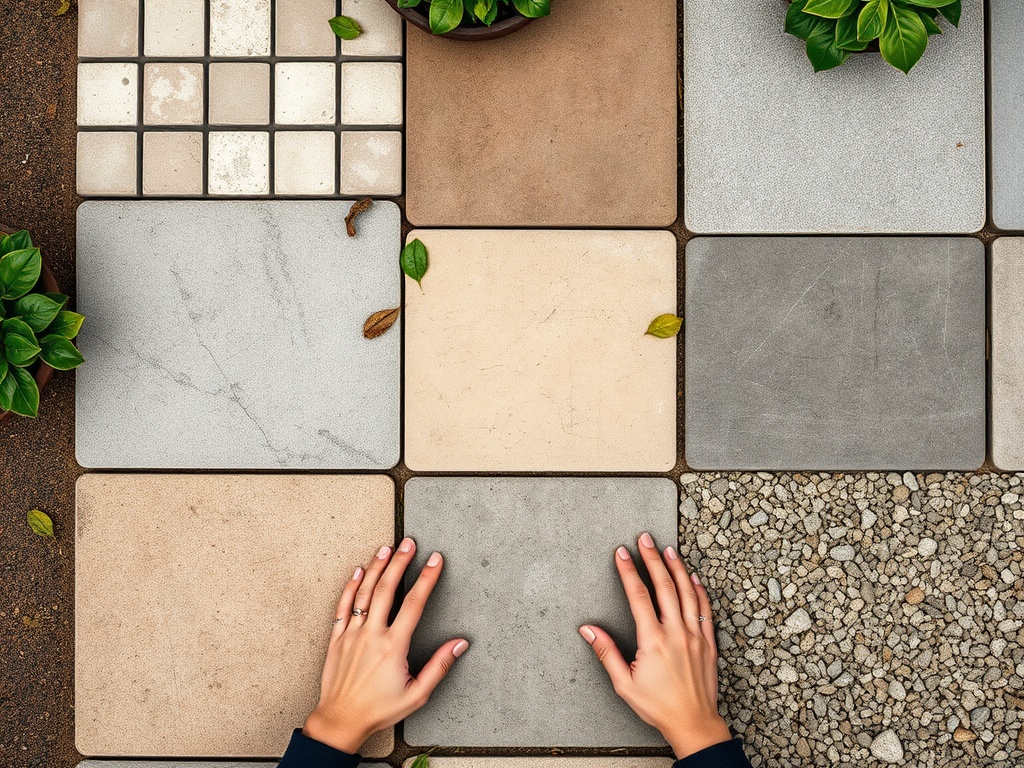
| Concrete pavers | Homeowners who want replaceable units and many design choices | Sweep, rinse, maintain joints | Weeds or settlement can develop if joints or base are neglected |
| Porcelain pavers | Modern patios and stain-conscious households | Sweep and wash as needed | Installation can be more exacting and material cost may be higher |
| Poured concrete | Simple layouts and broad uninterrupted areas | Wash, manage stains, inspect cracks | Cracks are harder to disguise or repair invisibly |
| Natural stone | Character-rich landscapes | Cleaning varies by stone; joints need attention | Cost, thickness, porosity, and maintenance vary widely by stone type |
| Gravel | Informal patios and budget-conscious projects | Rake, replenish, control migration | Loose material shifts and can be difficult for some mobility needs |
Concrete pavers: practical when repairability matters
Concrete pavers are a strong all-around choice because individual units can be lifted and reset if a small area settles or a utility line needs access. They also make it possible to create permeable assemblies when the paver, joint, base, and subgrade are designed for infiltration. EPA guidance on green infrastructure identifies permeable interlocking pavers as one of several pavement systems that can store or infiltrate rainwater.
Maintenance is usually straightforward: sweep debris, clean spills before they sit for long periods, keep joints adequately filled, and address localized settlement before it spreads. The biggest mistake is treating the paver itself as the whole system. A poorly compacted or poorly drained base can turn a durable surface into a lumpy one.
Pavers are especially useful when you want an outdoor room that can evolve. If the seating plan, cooking zone, or planting changes later, individual sections may be easier to adjust than a monolithic slab. For adjacent-space planning, these apartment balcony privacy ideas offer useful principles for screens, planting, and sight-line control that can also inform small patio layouts.
Porcelain pavers: a cleanable surface with a precise look
Outdoor-rated porcelain pavers are dense and generally resist water absorption and many common stains better than more porous materials. That makes them appealing around dining areas, grills, and contemporary landscapes where a crisp surface is part of the design goal. The specific product still needs to be rated for exterior use and appropriate slip resistance in the intended setting.
Porcelain is less forgiving of a casual installation. Edge support, substrate preparation, drainage, and the installation system need to match the manufacturer instructions. A homeowner who wants very little surface maintenance may accept a more demanding installation because the finished material is easy to wipe, rinse, or scrub with compatible cleaners.
Avoid assuming every porcelain tile sold for indoor use can move outdoors. Thickness, frost resistance, traction, and installation method matter. In cold climates or wet areas, ask the supplier or installer for the exterior specification rather than relying on appearance alone.
Poured concrete: simple surface, visible cracking risk
A concrete slab creates a continuous, easy-to-sweep patio and can be economical for straightforward shapes. It works well under furniture because there are no loose particles and few joints. Finishes can range from basic broom texture to decorative treatments, although more elaborate finishes can add cost and may change maintenance requirements.
Concrete can crack as the ground moves, materials shrink, or temperature changes stress the slab. Control joints help manage where cracking occurs, but they do not promise a permanently uncracked surface. Small cracks may be acceptable cosmetically; larger movement or changes near the home deserve professional evaluation.
If runoff is a concern, a conventional slab is an impervious surface. EPA guidance encourages property owners to consider reducing impervious cover and using permeable options where appropriate. That does not make a concrete slab a bad choice. It means the drainage plan should be intentional, especially if the patio is close to foundations, slopes, or neighboring property.
Match the material to budget and use case
For a modest budget, gravel can work when you accept raking and migration. For a middle-of-the-road project, basic concrete or concrete pavers often provide a predictable mix of cost and function. For a higher design budget, porcelain or selected natural stone can provide a refined finish, but the installer and substrate become even more important.
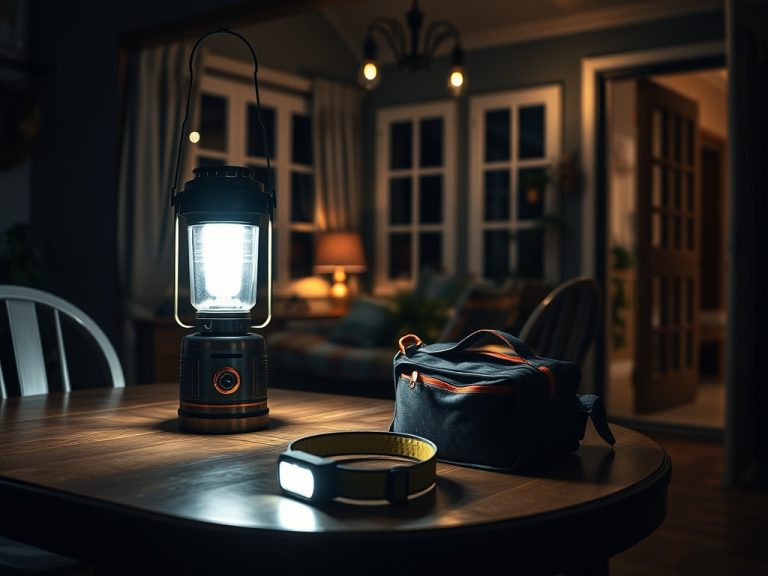
Also think beyond daytime use. A surface can be technically durable but inconvenient if edges, steps, and changes in level disappear after dark. When you plan the patio as part of a broader preparedness strategy, compare backup lighting options for power outages so circulation routes do not depend entirely on grid-powered fixtures.
For older homes, patio work sometimes overlaps with drainage, exterior outlets, doors, or envelope improvements. It can be useful to coordinate the project with energy-saving upgrades for older homes instead of reopening the same wall or yard area later.
A low-maintenance patio starts below the surface
A durable top layer cannot compensate for a weak base. Before selecting a finish, confirm excavation depth, compaction, slope, edge restraint, drainage, and any local rules for impervious coverage or stormwater. Those details vary by soil, climate, and jurisdiction, so a contractor or local authority may be appropriate for site-specific decisions.
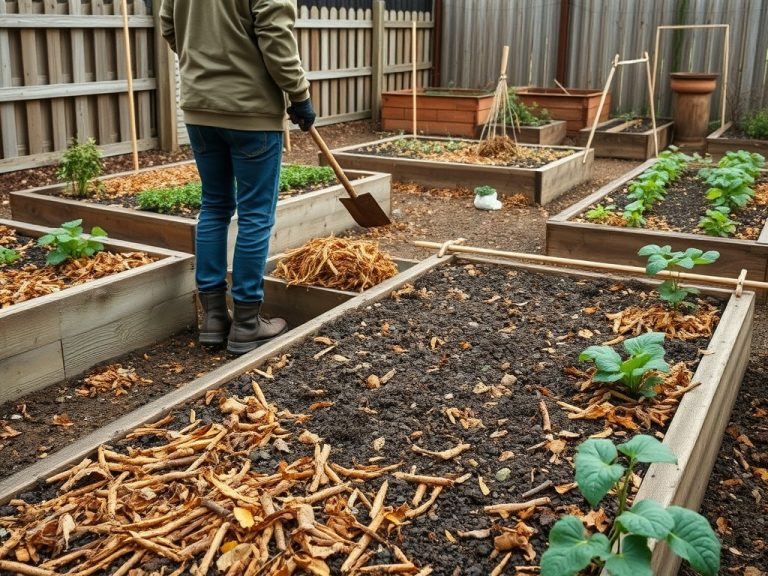
Once installed, keep maintenance simple and consistent. Remove leaves before they decay into joints, clean spills with products compatible with the surface, avoid deicers or chemicals the manufacturer warns against, and deal with small settlement or joint loss early. A short seasonal inspection is usually more useful than waiting for a visible failure.
Choose the surface by ranking your actual priorities, then request installation details that support them. A material that fits the site, drainage plan, and household routine is more likely to stay easy to live with than the material that merely looks lowest-maintenance in a showroom.
Home and garden information is provided for general educational purposes. Site drainage, structural conditions, electrical work, permits, and material suitability can require local professional guidance.[/