Good window maintenance is mostly a cycle of gentle cleaning, debris removal, drainage checks, and inspection of weatherstripping, caulk, hardware, and screens. Catching torn mesh, clogged tracks, failed seals, or deteriorated exterior joints early can make windows easier to operate and may reduce drafts or water problems before they become larger repairs.
Maintenance Snapshot: Clean screens and tracks when buildup appears, inspect moving weatherstripping for compression or tears, look for failed caulk around stationary joints, keep drainage paths open, and stop if you find rot, persistent water intrusion, broken glass, or a window that no longer operates safely.
Gather simple tools before opening the window
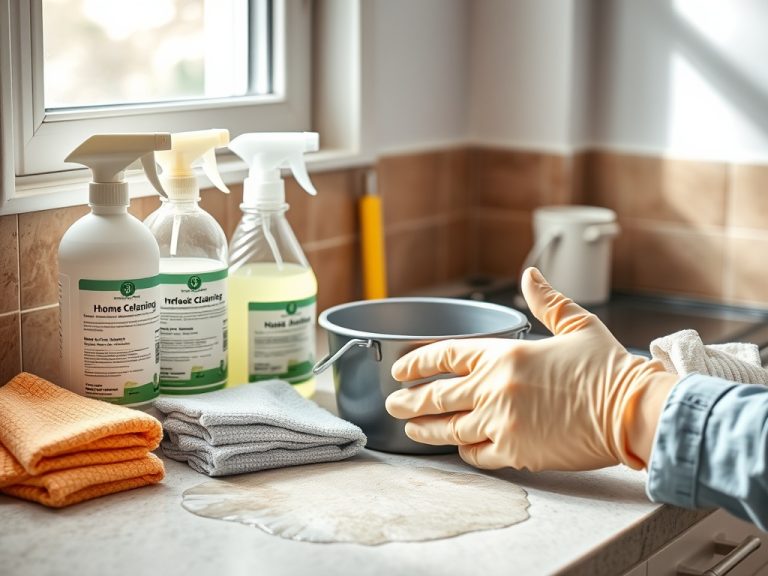
Most routine work needs little more than a vacuum with a soft brush, microfiber cloths, mild dish soap, a bucket, a soft toothbrush or nylon detail brush, cotton swabs, a plastic putty tool, towels, and a small amount of manufacturer-approved lubricant if the window hardware calls for it. Have a step stool only if you can place it on a stable, dry surface.
Avoid aggressive solvents, metal scrapers, or abrasive pads unless the window manufacturer specifically allows them. These can scratch glass coatings, damage vinyl, strip finishes, or deform weatherstripping. If you do not know the window brand, begin with the mildest cleaning method and test an inconspicuous area.
Safety comes first. Do not lean out of upper-story windows to reach exterior surfaces. Screens are insect barriers, not fall-protection devices. The U.S. Consumer Product Safety Commission emphasizes that window screens do not prevent children from falling, so window guards or other appropriate safety measures may be necessary in homes with young children.
Remove and wash screens without stretching the mesh
If the screen is designed to be removable, note its orientation and release points before taking it out. Lay it flat on a clean surface or lean it securely where it will not bow. Vacuum loose dust with a soft attachment, then wash with mild soapy water and a soft brush or cloth. Rinse gently and let the screen dry before reinstalling it.
Look closely at the spline or retainer that holds mesh in the frame. Small tears can sometimes be patched, but widespread brittleness, large holes, a bent frame, or loose spline may justify rescreening. Fiberglass and metal mesh behave differently, so choose repair materials compatible with the existing screen.
Do not blast lightweight screens with a pressure washer. High pressure can stretch mesh, pull it from the spline, or bend the frame. The same caution applies to brushing: cleaning should remove soil, not visibly distort the screen.
Vacuum tracks before adding moisture
Window tracks become troublesome when dust combines with moisture and turns into packed grit. Start dry. Vacuum loose debris from corners, rollers, and channels, then loosen remaining dirt with a soft brush. Wipe with a damp cloth and mild soap, using cotton swabs or a plastic tool wrapped in cloth for narrow channels.
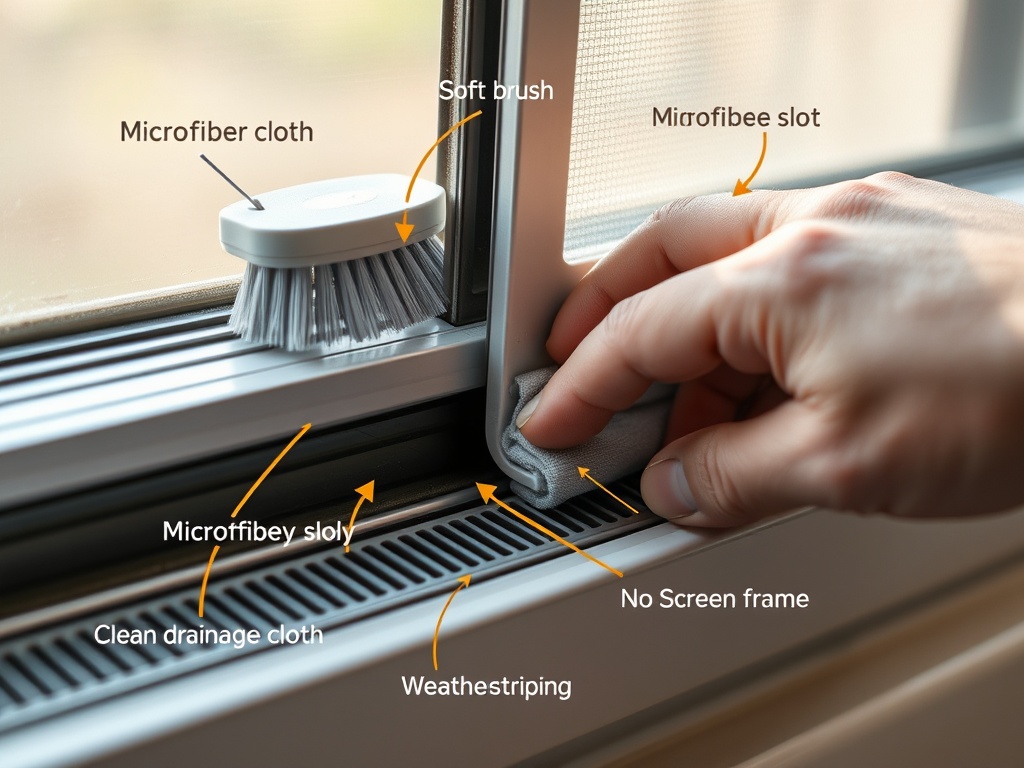
Pay attention to weep holes or drainage slots. These openings are designed to let incidental water escape in many window systems. If they are visibly blocked by dirt, clear surface debris gently without enlarging holes or pushing tools deep into the frame. Persistent water in a track can signal a larger drainage, flashing, or installation problem.
If a sash still drags after cleaning, do not immediately soak the track with household oil. Oil can attract more dust and may be incompatible with plastics or finishes. Check the manufacturer guidance for rollers, balances, hinges, or locks. Some components are designed to operate dry; others specify a particular lubricant.
Inspect weatherstripping where the sash moves
Weatherstripping seals moving components such as operable windows and doors. The U.S. Department of Energy distinguishes it from caulk, which is generally used at stationary cracks and joints, and notes that reducing air leakage can improve comfort and energy performance. Its air-sealing guidance explains where caulk and weatherstripping are typically used.
Open the window and inspect accessible weatherstripping for tears, missing sections, permanent flattening, hardened material, or pieces that have pulled away. Gently clean dirt that prevents contact. If replacement is needed, match the original profile and dimensions where possible; an oversized strip can make the sash difficult to close, while an undersized strip may not seal.
A draft does not automatically prove the weatherstripping is bad. Air can leak at the rough opening, lock alignment, glazing, frame joints, or adjacent wall assembly. DOE building-science guidance notes that gaps around window and door rough openings can be important air-leakage paths, so a persistent draft may need diagnosis beyond the visible sash seal.
Check exterior caulk and frame joints separately
Exterior caulk is part of the weather-resistive detailing around many windows, but the correct location and sealant depend on the wall and window system. Walk around accessible windows and look for cracking, gaps, peeling, missing sealant, or joints that have separated from one side.
Do not automatically caulk every visible opening. Some gaps are drainage or ventilation paths and should remain open. If you are unsure whether a joint is intended to drain, consult the window installation details or a qualified professional. This is especially important when water appears inside after rain.
For older homes, disturbing painted trim can introduce another safety issue. EPA advises special lead-safe practices for renovation and repair in pre-1978 homes where lead-based paint may be present. Before scraping or sanding old painted window components, review EPA guidance for lead-safe DIY renovation.
Test operation, locks, and visible seals
After cleaning, open and close the window through its normal range. It should move without forcing, stay where its mechanism is designed to hold it, and latch without excessive pressure. Check that locks align and that hardware screws are secure without overtightening into soft material.
For insulated glass, a persistent fog or haze between panes can indicate failure of the sealed glass unit rather than a dirty surface. Surface condensation, by contrast, may be related to indoor humidity, outdoor temperature, glass temperature, or ventilation. The Department of Energy explains that window spacers and seals help maintain insulated glazing systems, while air leakage and thermal performance vary by window type.
A failed insulated-glass seal is not repaired by cleaning the track or replacing sash weatherstripping. Depending on the window design, the glass unit, sash, or whole window may need professional service.
Know when maintenance has become repair work
Stop treating the problem as routine maintenance if you find rotted framing, recurring interior leaks, cracked glass, a sash that may fall, damaged balances or springs, significant frame distortion, suspected lead hazards, or evidence that water is entering the wall. These conditions can require diagnostic work that is not visible from the track or screen.
If your emergency planning depends on operable windows or safe egress, do not block them with permanent security hardware or storage. You can also review backup lighting options for power outages so window and door routes remain easier to use when normal lighting fails.
Finish each maintenance session by drying wet tracks, reinstalling screens correctly, testing locks, and documenting anything you want to watch. A few notes or photos can help you tell whether a crack, stain, or gap is stable or changing over time.
If inspection moves beyond routine care, use this guide to choose between DIY, handyman, and contractor help. For persistent drafts or comfort concerns, compare energy-saving upgrades for older homes before assuming window replacement is the only solution.
This information is educational and does not replace manufacturer instructions or professional advice for structural, glazing, water-intrusion, lead, or fall-safety concerns.[/