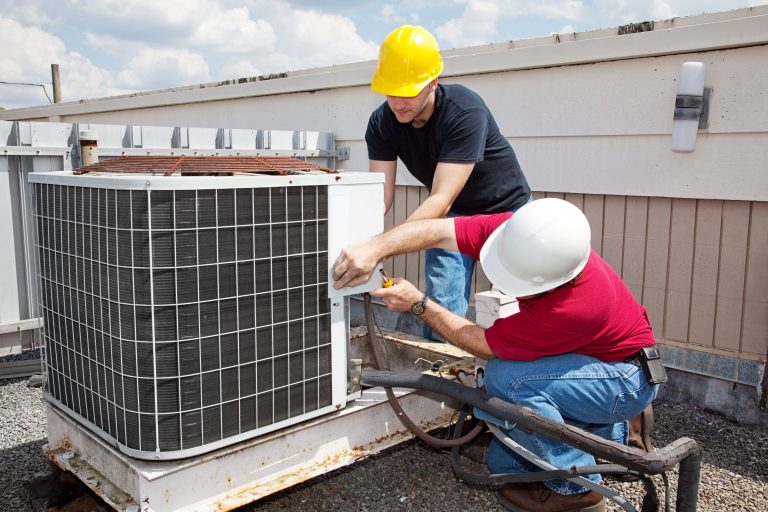
Choose DIY for low-risk work you can complete safely with the right tools and knowledge, a handyman for limited repair or maintenance work that fits local rules, and a licensed or otherwise qualified contractor when the job affects structure, major systems, permits, specialized trades, or significant safety risks. The smartest choice is based on scope and consequences, not just the price of labor.
Decision Lens: Ask four questions before starting: What can go wrong? Does the job require a permit or licensed trade? Can hidden conditions change the scope? If the repair fails, will the damage be cosmetic or could it affect health, safety, structure, water control, or electrical systems?
Use risk as the first filter, not confidence
DIY confidence is useful, but it is not a safety system. Some jobs are forgiving: a crooked shelf can be rehung. Others have consequences that may not appear immediately, such as water entering a wall, an overloaded electrical connection, disturbed lead paint, or structural movement.
A reasonable DIY project usually has a visible work area, limited consequences if you stop midway, simple tools, clear manufacturer instructions, and no requirement to alter critical systems. If the work involves electricity beyond basic user-serviceable tasks, gas, structural components, roofing at height, extensive water intrusion, large-scale demolition, or hazardous materials, the threshold for professional help should be much lower.
Homes built before 1978 deserve special attention when work will disturb paint. The U.S. Environmental Protection Agency says renovation, repair, or painting can create hazardous lead dust and recommends lead-safe work practices for DIYers. EPA also notes that paid firms performing covered work generally must meet Renovation, Repair and Painting requirements. Review EPA lead-safe renovation guidance for DIY projects before sanding, cutting, scraping, or demolishing painted components in an older home.
Understand the practical difference between the three options
| Option | Often suitable for | Watch for | Best question to ask |
|---|---|---|---|
| DIY | Painting, simple assembly, basic maintenance, low-risk cosmetic work | Skill gaps, tool cost, hidden damage, safety | Can I stop safely if the job becomes more complex? |
| Handyman | Small repairs, punch-list work, minor carpentry, mounting, maintenance | Local limits on electrical, plumbing, structural, or permitted work | Is this task legally within the provider’s scope here? |
| Contractor or specialist | Remodels, structural work, major systems, permitted work, complex diagnostics | Licensing, insurance, contract scope, change orders | Who is responsible for permits, inspections, and subcontractors? |

“Handyman” is a service description, not a universal legal category. What a handyman may perform varies by state, province, city, project value, and trade. Some jurisdictions require licensing above certain thresholds or for particular electrical, plumbing, HVAC, roofing, or structural work. Check the authority that governs contractors where you live rather than relying on a general online list.
Choose DIY when the learning curve is contained
DIY makes sense when the task is low-risk, reversible, and well documented. Examples can include repainting intact surfaces, replacing cabinet pulls, assembling freestanding shelving, caulking certain interior joints, changing compatible filters, or making simple garden repairs. Even then, read product instructions and understand the substrate before cutting, drilling, or applying chemicals.
Budget for more than materials. Include protective equipment, tool rental or purchase, waste disposal, patch materials, and the value of your time. A project that seems cheaper can become expensive if a specialized tool is needed once or if a mistake damages finished surfaces.
Use a stopping rule. Decide in advance which discoveries will end the DIY attempt: concealed wiring where you expected none, active mold-like growth with a moisture source, a soft subfloor, a cracked structural member, a corroded pipe, or work that clearly requires a permit. Stopping at the right time is part of competent DIY.
For a narrow maintenance example, this window maintenance guide separates routine cleaning and inspection from conditions that justify professional diagnosis.
Use a handyman for small mixed-task scopes
A good handyman can be efficient when you have several modest jobs that do not require a specialized licensed trade under local law. Think door adjustments, minor trim repair, shelving, small drywall patches, hardware installation, basic exterior maintenance, and similar punch-list work.
The advantage is often coordination: one provider can handle several small tasks that would be inefficient for separate specialty contractors. The limitation is scope. A handyman should not be treated as a substitute for every trade, and homeowners should not ask anyone to work outside licensing, insurance, or competency requirements.
Ask for a written list of tasks and materials. Clarify whether the quote is hourly or fixed, who buys materials, how unforeseen issues are handled, and whether cleanup is included. For work near electrical, plumbing, or structural systems, ask directly whether the person is permitted and insured for that exact task.
Hire a contractor when systems or accountability matter
A contractor becomes the stronger choice when the project needs project management, permits, inspections, multiple trades, structural changes, major waterproofing, significant exterior envelope work, or a contractual responsibility for a larger result. Specialty contractors are also appropriate when the diagnosis itself requires expertise.
For example, replacing a damaged piece of baseboard is different from rebuilding a wall after chronic water intrusion. The visible trim is not the main problem; finding and correcting the moisture source is. Likewise, a drafty window may need weatherstripping, but it can also reflect installation or wall-envelope leakage. Larger decisions often benefit from a diagnosis before materials are purchased.
Contractor credentials and rules vary locally. Verify licensing where applicable, insurance, references appropriate to the project, permit responsibility, payment schedule, warranty language, and how changes will be priced. A detailed scope reduces arguments later.
Let permits and specialist rules break close calls
If you are unsure between handyman and contractor, find out whether the work requires a permit or licensed trade. Local building departments, state contractor boards, utilities, and trade regulators are better sources than generic advice. Permit requirements can differ even between neighboring jurisdictions.
Do not assume a small job is exempt simply because it is inexpensive. Electrical circuits, gas work, structural alterations, egress changes, and some plumbing work may be regulated regardless of price. Conversely, some minor repair work may be exempt. The only reliable answer is the rule where the property is located.
EPA’s Renovation, Repair and Painting consumer guidance is a useful example of why project context matters: rules differ for owner-occupants, landlords, paid contractors, and certain child-occupied facilities.
Make the choice with a simple escalation rule
Use the least complex option that safely and legally fits the job. Start with DIY only when the consequences are manageable. Move to a handyman when the work is small but your time, tools, or skill are the limiting factor. Move to a contractor or specialist when regulation, safety, structure, water, major systems, or project coordination becomes central.
Preparedness should factor into scheduling too. If a project affects electrical service, entrances, or lighting, plan for temporary loss of normal function and review backup lighting options for power outages before work begins.
A clear scope, local rule check, and realistic assessment of failure consequences will usually point to the right level of help. The decision is less about proving what you can do and more about getting the home back to a safe, durable, usable condition.
This article is for general educational purposes and does not replace local building, licensing, electrical, plumbing, structural, environmental, or legal advice.[/